
Ceramic Lapping for Controlled Surface Finish and Flatness
For custom ceramic components, ceramic lapping helps align surface finish, flatness, thickness, geometry, and acceptance criteria around the drawing your project requires.
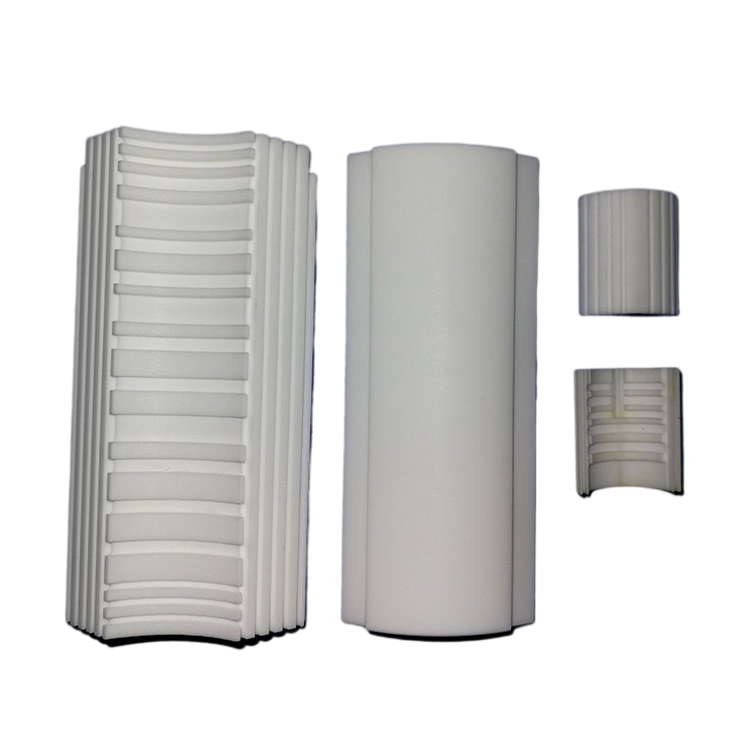
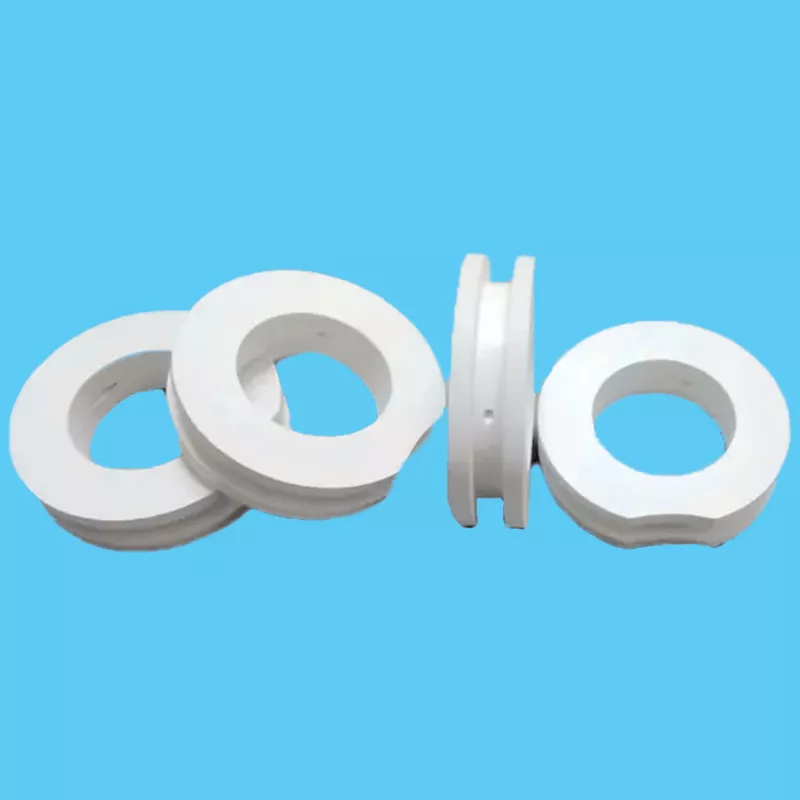
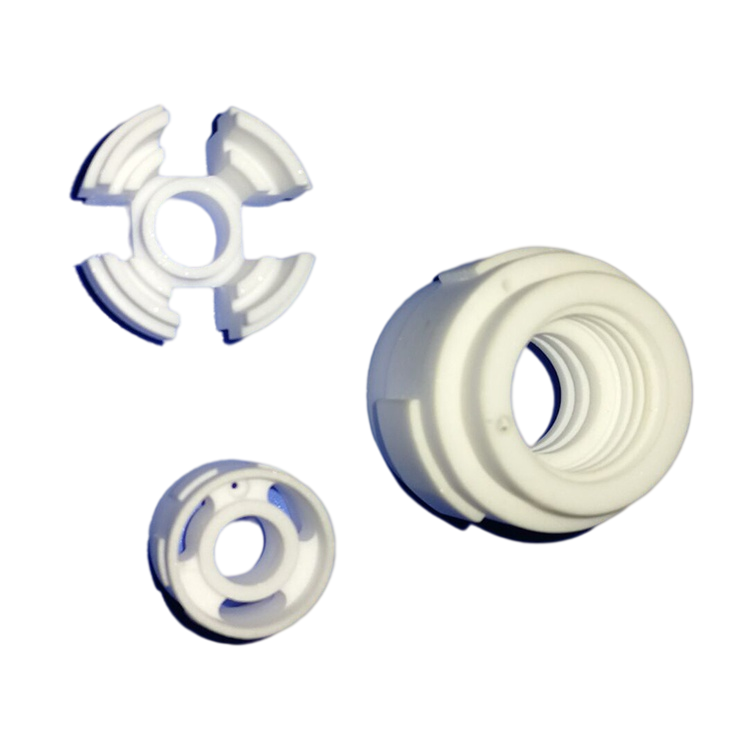
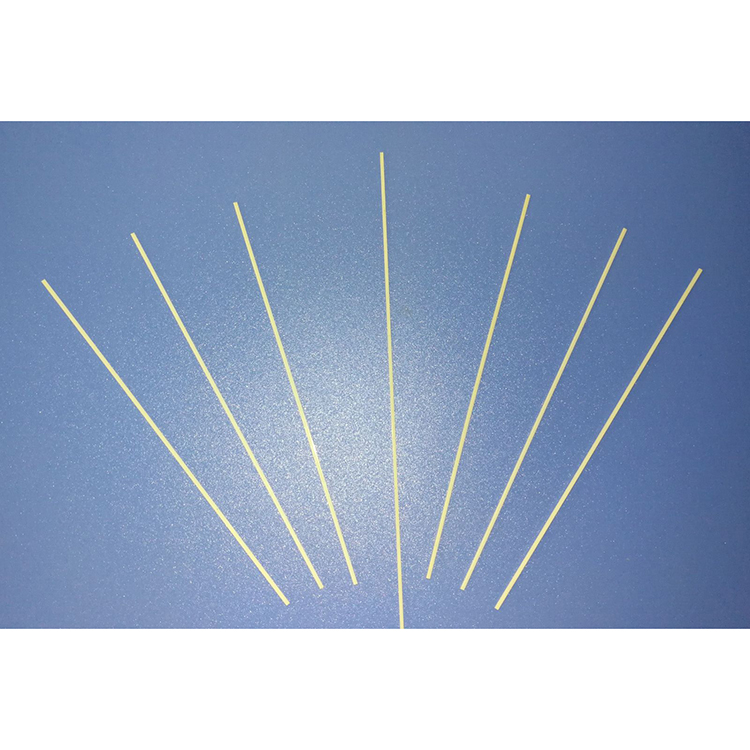
Technical Ceramic Components for Lapping Development




Buyer Criteria for Ceramic Lapping Requirements
Evaluate ceramic lapping through the dimensional, material, finish, and inspection details that define a suitable component requirement.
Dimensional Control
Review thickness, dimensions, and mating features together so the ceramic lapping discussion reflects the part’s actual assembly requirements.
Flatness and Parallelism
Discuss flatness and parallelism as project-specific requirements, with target values confirmed against geometry, material, process, and inspection method.
Material Compatibility
Select a suitable ceramic family by considering operating temperature, electrical behavior, wear exposure, chemical environment, and the required component form.
Finish Requirements
Define finish expectations by surface, distinguishing functional mating areas from general faces and separating preferences from acceptance criteria.
Drawing-Led Quotations
Use drawing-led quotation inputs to clarify grade, quantity, revision status, documentation, and any dimensions that determine production or approval.
Inspection Clarity
Keep inspection conversations concrete by identifying critical dimensions, measurement references, and records required for project review before commitment.
Related Ceramic Machining and Component Pages
Compare capabilities, materials, products and resources before defining a drawing-led ceramic component inquiry for your project.

Ceramic Manufacturing Capabilities
Explore ceramic manufacturing capabilities across formed and machined components, including precision machining, grinding and polishing where surface condition or dimensional control matters. Share the current drawing revision, material designation, quantity and acceptance criteria to establish a project-specific quotation discussion.
Discuss Your Ceramic Part
Ceramic Solutions by Industry
Review advanced ceramics applications by industry and connect component selection with operating conditions, mating surfaces and assembly requirements. This view helps procurement and engineering teams frame the application before confirming geometry, material grade, documentation and other project-specific expectations.
Discuss Your Ceramic Part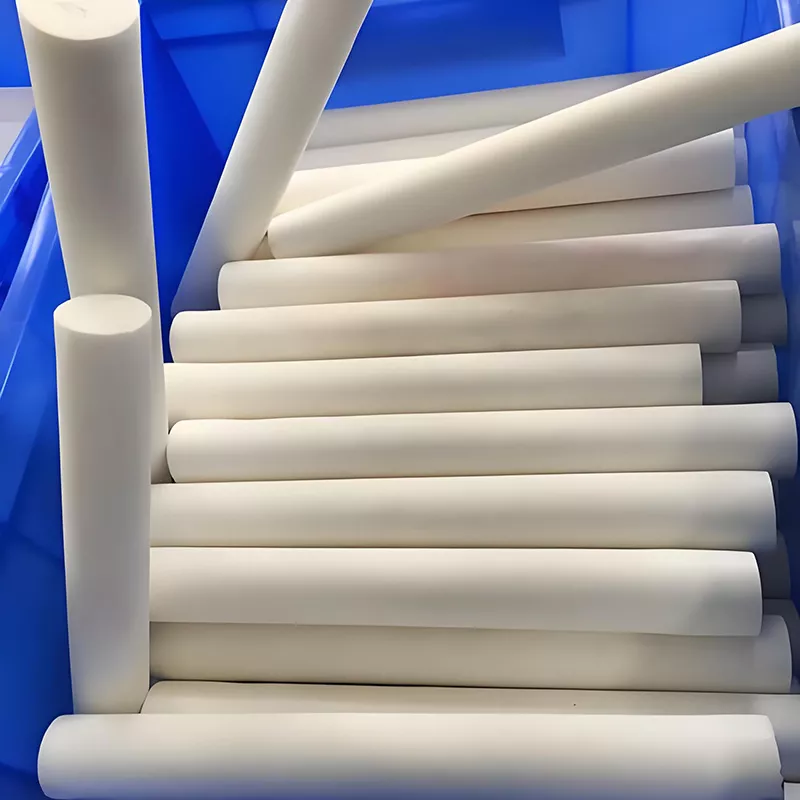
Advanced Ceramic Materials
Compare advanced ceramic materials including alumina ceramics, zirconia ceramics, silicon carbide ceramics, silicon nitride, aluminum nitride and boron nitride. Material family information provides a starting point; grade-specific properties, availability and suitability require confirmation against the component geometry and service environment.
Discuss Your Ceramic Part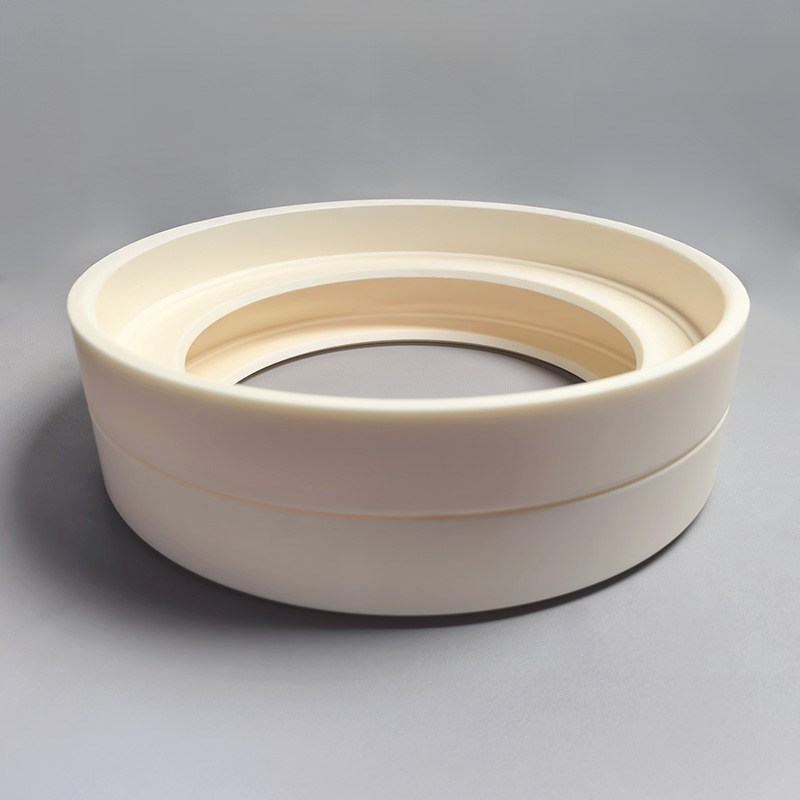
Technical Ceramic Products
Browse industrial ceramic parts such as tubes, rods, rings, substrates and other component forms. Product illustrations indicate possible categories rather than contractual specifications, so dimensions, tolerances, interfaces, quantity and inspection requirements should be confirmed for each inquiry.
Discuss Your Ceramic Part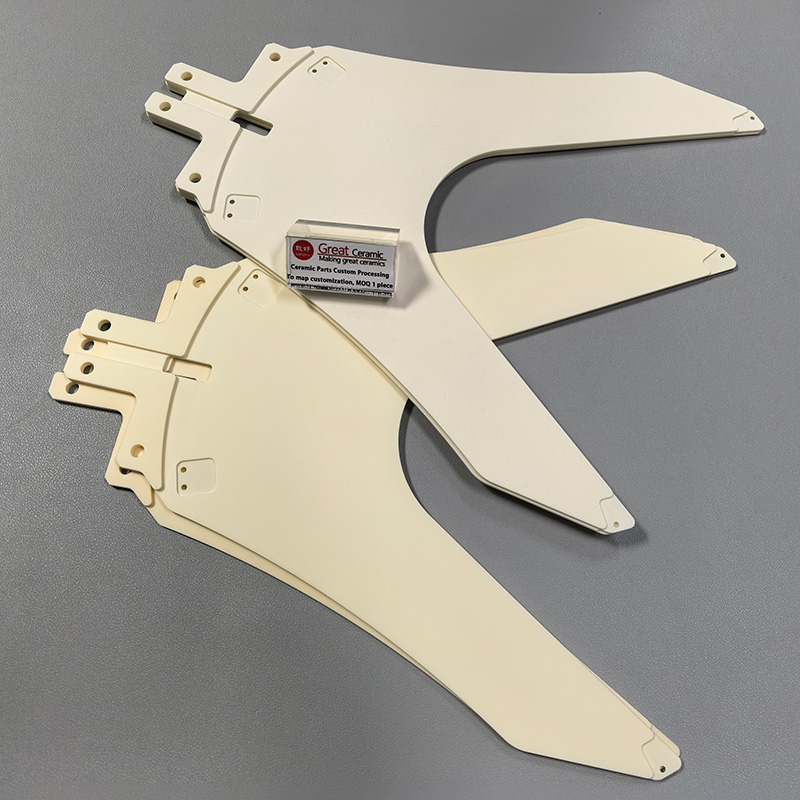
Technical Ceramic Resources
Use this technical ceramics guide to clarify terminology, material choices, drawing details and inspection questions before contacting Porcecore. It can also help identify when lapping, polishing or other finishing requirements may affect component fit, surface condition or acceptance criteria.
Discuss Your Ceramic PartPorcecore’s Ceramic Lapping Approach
Founded by Andy Yuan, Porcecore helps industrial buyers connect ceramic material choices with clearly defined part requirements. Our ceramic lapping approach begins with the component’s job, including geometry, mating surfaces, operating conditions, and the surface or dimensional characteristics that matter for assembly and performance.
We support custom ceramic components across oxide, nitride, carbide and specialty ceramics, while treating each inquiry as project-specific. A drawing, known material designation, quantity, service conditions and acceptance criteria give the quotation conversation a practical foundation and help clarify which requirements are essential.
What sets Porcecore apart is clarity before commitment. We distinguish general material guidance from grade-specific confirmation and product information from an agreed specification. Share your current drawing or describe the part and environment directly by email or WhatsApp so the next sourcing decision has a concrete basis.

Key Ceramic Lapping Quality Attributes
Define Abrasive and Process Needs
A ceramic lapping inquiry should connect the material family, component geometry and required finish to the intended process route. Share the current drawing and known surface objectives so abrasive selection, stock removal and finishing stages can be discussed against the actual part.
- Material family and grade, if known
- Required surface finish and stock removal
- Component geometry and aspect ratio
- Application conditions affecting process choice

Control Thickness and Flatness
Thickness, flatness and parallelism can influence assembly, sealing and downstream performance. Porcecore treats these as project-specific requirements rather than assumed catalog values, helping buyers identify the dimensions that require control and the tolerances that need confirmation before quotation.
- Finished thickness and allowable variation
- Flatness, parallelism and reference surfaces
- Datums used for measurement and assembly
- Quantity and repeatability expectations

Identify Critical Mating Surfaces
Surfaces that contact another ceramic, metal or engineered component deserve clear attention during inquiry. Mark sealing, bonding, sliding, electrical or alignment interfaces on the drawing, and explain their operating role so the quotation discussion reflects the complete component requirement.
- Mating surfaces and functional interfaces
- Sealing, bonding or alignment requirements
- Edge conditions, chamfers and radii
- Service temperature, load or environment

Set Inspection and Documentation
A useful ceramic lapping specification defines how acceptance will be verified. Include inspection methods, sampling expectations, material documentation and the current drawing revision, separating essential approval requirements from preferences that can be reviewed during the project conversation.
- Inspection criteria for finish and dimensions
- Material designation and traceability needs
- Required reports, certificates or records
- Drawing revision and acceptance criteria

Ceramic Lapping vs. Ceramic Grinding
Compare surface objectives, geometry, preparation, and finishing combinations before defining your ceramic component requirement.
← Swipe left or right to view →
Ceramic Lapping Production Workflow
A drawing-led sequence for aligning material, geometry, finishing controls, inspection, and acceptance requirements.
Review the Requirement
Review the current drawing, component form, material designation, quantity, service conditions, mating surfaces, and acceptance criteria before defining the quotation basis.
Confirm Critical Geometry
Confirm geometry, workholding needs, reference surfaces, and critical dimensions so the lapping plan supports assembly requirements without assuming unconfirmed production parameters.
Plan Abrasive Stages
Select abrasive type, grade, plate or support approach, and staged removal strategy according to ceramic material, geometry, target flatness, thickness, and surface finish.
Control Material Removal
Run controlled lapping stages, checking material removal and part condition as needed while preserving the specified geometry and identifying questions before proceeding.
Clean and Inspect
Clean the component using a project-appropriate method, then inspect relevant surfaces, dimensions, flatness, parallelism, thickness, finish, and visual condition against the drawing.
Review Acceptance Evidence
Review inspection evidence with the buyer, clarify any open acceptance points, and confirm documentation, delivery, and commercial terms before treating requirements as agreed.
How to Order Ceramic Lapping Services
Provide the technical details that connect your ceramic lapping requirement with a clear, project-specific quotation.
Share the Current Drawing
Send the current drawing revision, component form, quantity, and known material or grade so Porcecore can frame the ceramic lapping quotation accurately.
Define Service Conditions
Describe temperature, load, media, electrical demands, and other operating conditions, plus the surfaces that mate, seal, locate, or determine assembly.
Confirm Tolerances and Inspection
Identify critical dimensions, flatness, parallelism, surface finish, edge conditions, inspection methods, sampling expectations, and acceptance criteria for the finished component.
Request Documentation and Review
List required material certifications, inspection records, drawings, packaging details, and delivery expectations, then review open questions before confirming project-specific requirements.
Ceramic Lapping Project Outcomes
No verified buyer outcome is currently published. Add an approved case study with the drawing revision, surface acceptance criteria, inspection method and confirmed result when available.
No verified buyer outcome is currently published. Add an approved case study covering dimensional consistency, critical tolerances, inspection results and accepted quantity when available.
No verified buyer outcome is currently published. Add an approved replacement-part case study covering geometry, mating surfaces, acceptance criteria and delivery performance when available.
Ceramic Lapping FAQ for Industrial Buyers
Answers about ceramic lapping materials, geometries, finishing requirements, drawings, sampling, quantities, and quotation inputs.
What materials are suitable for ceramic lapping?
Which component geometries can ceramic lapping support?
What surface finish and thickness requirements should I specify for ceramic lapping?
Can ceramic lapping be combined with grinding or polishing?
What information is needed for a ceramic lapping quotation?
Does Porcecore have a minimum order quantity for ceramic lapping?
How long does ceramic lapping sampling take?
What should I expect during ceramic lapping project approval?
The Complete Buyer’s Guide to ceramic lapping
Use this decision framework to match ceramic lapping methods, materials, tolerances, and inspection requirements to your application while evaluating suppliers, controlling total cost, and avoiding common sourcing and specification mistakes.
1. What Is Ceramic Lapping?
Ceramic lapping uses loose abrasive between a workpiece and lapping surfaces to remove controlled stock. Lapping differs from polishing and grinding: it supports accurate correction and surface refinement, while grinding typically removes stock faster and shapes profiles. The process is useful when brittle ceramics or mating faces require dimensional uniformity, controlled flatness and reduced surface damage. Common applications include mechanical seals, seal rings, pump parts, vacuum chucks, fixture components, ceramic substrates and precision bearing balls.
2. The Evolution and History of Ceramic Lapping
Three process shifts define ceramic lapping’s development: conventional loose-abrasive finishing established controlled contact between a workpiece, lap and abrasive. As ceramic hardness and brittleness became central engineering constraints, buyers needed flatter surfaces, cleaner edges and less subsurface damage than general grinding could reliably provide. Two or more finishing stages then became practical: a coarser operation removes stock, while progressively finer abrasives refine thickness, flatness, parallelism and surface condition. This sequence makes process variables easier to monitor and reduces the risk that a single aggressive step will distort a precision ceramic part.
3. Types of Ceramic Lapping
Five configurations align finishing method with geometry, tolerance, and surface function.
| Configuration | Suitable geometry | Control priority | Buyer question |
|---|---|---|---|
| Single-sided flat | Planar faces | Flatness, thickness | Which face is functional? |
| Double-sided | Parallel plates | Parallelism, throughput | Must both faces match? |
| Spherical or ball | Balls, curved contacts | Roundness, waviness | What contact standard applies? |
| Polishing follow-on | Lapped precision faces | Roughness, finish | What finish is contractual? |
| Thin or coated | Thin substrates, coated parts | Support, edges, coating | What may be removed? |
Flat Lapping
Single-sided lapping suits seals, rings, substrates, and other planar parts. Ask whether flatness, thickness, or surface finish is the governing requirement.
Double-Sided Lapping
Double-sided lapping processes two opposing faces together, improving parallelism and throughput. Confirm whether both faces are accessible and functionally controlled.
Spherical Lapping
Ball lapping suits ceramic spheres and curved contact surfaces. Ask for roundness, diameter, waviness, and bearing-contact requirements before quoting.
Polishing Follow-On
Precision polishing follows lapping when lower roughness or optical-quality surfaces are required. Confirm the target finish and allowable stock removal.
Thin Or Coated Parts
Thin substrates and coated rings need support, edge control, and coating-specific removal limits. Ask whether the coating must remain, be removed, or be selectively finished.
4. Ceramic Lapping Materials and Abrasives
Material hardness, porosity, geometry, and mating requirements determine whether ceramic lapping needs aggressive stock removal or controlled surface refinement.
Match Abrasive To Material
Diamond commonly suits dense alumina, zirconia, silicon nitride, aluminum nitride, and sapphire when flatness or finish is demanding. Conventional alumina or silicon carbide abrasives may suit earlier stock-removal stages.
Control Plates And Fluids
Three-body lapping uses loose abrasive in a slurry or suspension, with plate hardness and charging affecting removal behavior. Copper, composite, or other plates should be selected against the ceramic and required geometry.
Compare Finishing Priorities
Inspection should connect the abrasive route to the drawing: flatness, parallelism, thickness, roughness, edge condition, and contamination limits are not interchangeable.
Material-specific screening helps buyers define a trial plan before approving production parameters.
| Material | Finishing concern | Abrasive consideration | Inspection focus |
|---|---|---|---|
| Alumina | Flatness, contamination | Diamond; clean plate | Flatness, roughness |
| Zirconia | Chipping, edge control | Fine diamond progression | Edges, dimensions |
| Silicon nitride | Hardness, subsurface damage | Diamond slurry | Roughness, cracks |
| Aluminum nitride | Cleanliness, thermal surface | Compatible diamond system | Contamination, flatness |
| Sapphire | Brittle edges, finish | Fine diamond stages | Scratch, haze, parallelism |
5. Ceramic Lapping Customization and Drawing Requirements
Target thickness, flatness, parallelism, and surface roughness turn ceramic lapping customization into controlled drawing requirements.
Define The Finished Surfaces
Four values belong on the drawing: thickness, flatness, parallelism, and Ra surface roughness, each with units, datums, measurement method, and acceptance limits. Identify functional faces and edges separately.
Edge chamfers, radii, apertures, and masking zones should show dimensions and locations. A sample can confirm appearance, but it cannot replace toleranced drawing requirements.
Match Route To Geometry
Three factors change the route: thin or large parts need different support, apertures can affect fixturing, and rings or irregular profiles may require selective masking or staged removal. Batch size also affects setup economics and inspection sampling.
Put Requirements In Each Record
The drawing should define geometry, datums, tolerances, surface zones, and edge treatment. The specification should define material grade, coating or metallization system, inspection method, cleanliness, and documentation.
6. Key Ceramic Lapping Construction Quality Elements
Three controls establish production readiness: the drawing datum scheme, planned stock allowance, and a staged removal sequence.
Datums And Stock Allowance
One approved datum scheme should identify the surfaces governing thickness, parallelism, flatness and assembly. Stock allowance must be sufficient for cleanup without pushing edges, thin walls or coatings beyond drawing limits. Confirm these assumptions against the approved drawing before production.
Process Cleanliness And Protection
Two contamination risks require control: abrasive carryover between grades and embedded debris from plates, fixtures, or handling. Plate condition, fixture contact, slurry cleanliness, and cleaning sequence should be recorded by lot or batch.
Measurement And Repeatability
Three evidence layers are useful: inspection records against the drawing, capability evidence from representative runs, and approved samples that define acceptable appearance and function. Measurement equipment, method, datum reference, and sampling plan should be stated.
7. How to Choose a Ceramic Lapping Manufacturer
A capable ceramic lapping supplier should connect the drawing, material, abrasive route and inspection plan before quoting. Compare controlled process assumptions and evidence, not unit price alone.
Confirm Technical Fit
Ask how the supplier will review material grade, mating surfaces, flatness, parallelism, thickness, finish and edge conditions. Request a marked-up drawing showing risks, open questions and proposed acceptance criteria.
- Request relevant alumina, zirconia, carbide or nitride examples.
- Ask what changes between prototype and repeat production.
Verify Equipment And Metrology
Request equipment type, usable capacity, fixture approach and planned throughput against your forecast. Evidence should include sample inspection reports, calibration status and methods for flatness, parallelism, thickness and surface finish.
- Confirm measurement uncertainty and report units.
- Request a contamination-control and cleaning procedure.
Compare Commercial Evidence
Require quotation line items for setup, abrasive stages, inspection, yield assumptions, lead time, packaging and documentation. Compare cycle assumptions and technical risks beside price, then confirm prototype approval gates and production capacity. Ask who owns drawing revisions, nonconformance decisions and change communication.
- Request a realistic prototype and production schedule.
- Confirm documentation required for customer approval.
8. Common Ceramic Lapping Buyer Mistakes
Eight recurring errors can turn ceramic lapping into rework, disputed inspection, or unstable pricing. Prevent them by defining measurable requirements before quotation and sample approval.
Define Surfaces And Datums
1 vague ‘smooth’ finish description cannot control roughness, flatness, or parallelism. State Ra, flatness, thickness, parallelism, datum references, measurement locations, and units.
2 missing datums leave mating surfaces open to interpretation. Mark functional datums and identify which dimensions govern assembly.
Set Realistic Geometry Limits
3 tight tolerances copied from a catalog may ignore material, size, aspect ratio, or stock removal. Ask for a capability review against the drawing and application.
4 thin parts and sharp edges increase warping and chipping risk. Specify minimum thickness, edge breaks, allowable chips, handling controls, and protective packaging.
Control Inspection And Cleanliness
5 the wrong inspection standard can make acceptable parts appear defective or defective parts pass. Name the standard, gauge method, calibration expectations, sampling plan, and report format.
6 contamination matters in seals, electronics, and white ceramics. Define cleaning chemistry, particle limits, residue restrictions, and packaging before production.
Compare Complete Deliverables
7 comparing unit prices alone hides tooling, setup, inspection, scrap, yield, and batch-size effects. Request an itemized quotation with assumptions, lead time, and revision-controlled scope. 8 approving samples without acceptance criteria creates subjective disputes.
9. Steps to Launch a Ceramic Lapping Program
Step 1 starts with the part’s function: define mating surfaces, service conditions, critical dimensions, finish, flatness, cleanliness, quantity, and acceptance criteria before requesting ceramic lapping.
Define Requirements
Step 2 consolidates the current drawing revision, material grade, tolerances, inspection methods, and documentation needs. Engineering owns functional requirements; procurement confirms demand, timing, and commercial constraints. Step 3 identifies starting stock and any geometry risks.
Run Feasibility Samples
Step 4 requests written feasibility feedback against the drawing, including proposed process stages and inspection points. Select sample quantities large enough to expose variation while remaining practical for engineering evaluation. Step 5 assigns quality to approve first articles against agreed criteria.
Lock And Monitor
Step 6 validates measurement methods, cleaning controls, packaging, and traceability before release. Procurement then locks the approved drawing, material designation, process notes, inspection plan, and change-control rules. Step 7 monitors production lots through ramp-up.
10. Ceramic Lapping Pricing and Cost Factors
1 quote should separate the ceramic blank and starting stock from lapping work. Geometry, stock removal, tolerance difficulty, abrasive and plate selection, setup, cycle time, fixturing, inspection, cleaning, yield, and packaging can each change the final cost.
| Quantity or Complexity Tier | Expected Cost Drivers | Lead-Time Implications | Quote Questions |
|---|---|---|---|
| Prototype or low volume | Starting stock, setup, fixturing, inspection | Setup and first-article review may dominate | What is included in setup and first article? |
| Standard repeat batch | Material yield, cycle time, abrasives, cleaning | Usually easier to schedule after approval | What batch size improves setup allocation? |
| Tight tolerance or thin part | Special plates, slower cycles, inspection, scrap risk | Process validation can add time | Which surfaces and tolerances are critical? |
| High volume | Tooling, yield, packaging, repeatability controls | Planning improves after process qualification | What yield, packaging, and inspection records are required? |
Discuss Your Ceramic Lapping Requirement
Email a drawing or describe your ceramic part, operating environment, quantity, and acceptance criteria to begin a focused project discussion.