
Technical Ceramic Buyer Resources for Better Sourcing Decisions
Technical ceramic buyer resources help procurement and engineering teams define technical ceramic components and industrial ceramic parts by material, geometry, service conditions, and acceptance requirements before requesting a quotation.
Technical Ceramic Buyer Resources by Material and Component
Use these technical ceramic buyer resources to organize material, part, operating, and documentation requirements before requesting a project-specific quotation.
Control Drawing Revision Details
Share the current drawing revision, referenced standards, and change notes so quotation discussions stay aligned with the part your team intends to source.
Confirm Material Grade Requirements
Identify the ceramic family and known grade requirements, while separating essential performance needs from preferences that require project-specific confirmation.
Define Geometry and Fit
Compare advanced ceramic materials including alumina ceramics, zirconia ceramics, silicon carbide ceramics, silicon nitride, aluminum nitride, boron nitride and specialty families. Material selection should be narrowed by grade, geometry, service conditions and acceptance criteria rather than material name alone.
Describe Operating Conditions Clearly
Explain temperature, load, electrical exposure, chemical media, wear, and service environment so material and component recommendations reflect the actual application.
Specify Functional Surface Needs
Call out sealing, sliding, insulation, bonding, coating, finish, or contact surfaces where performance depends on how the ceramic interacts with adjacent parts.
Set Inspection Evidence Expectations
Define critical dimensions, acceptance criteria, inspection records, and approval documentation needed to evaluate the delivered component against the project requirement.
Technical Ceramic Resources for Real Project Requirements
Explore materials, products, applications, manufacturing capabilities and guidance for clearer sourcing decisions based on drawings, operating conditions and acceptance requirements.

Ceramic Manufacturing Capabilities
Review ceramic manufacturing capabilities through the requirements that shape a viable part: geometry, tolerances, processing considerations, inspection expectations and documentation. Use this resource to prepare a more focused quotation inquiry for components, assemblies or replacement parts.
Discuss Your Ceramic Part
Ceramic Solutions by Industry
Connect advanced ceramics applications with the operating environment and function of the component. This category helps procurement teams, engineers and equipment builders consider thermal, electrical, mechanical and chemical requirements before discussing a project-specific solution.
Discuss Your Ceramic Part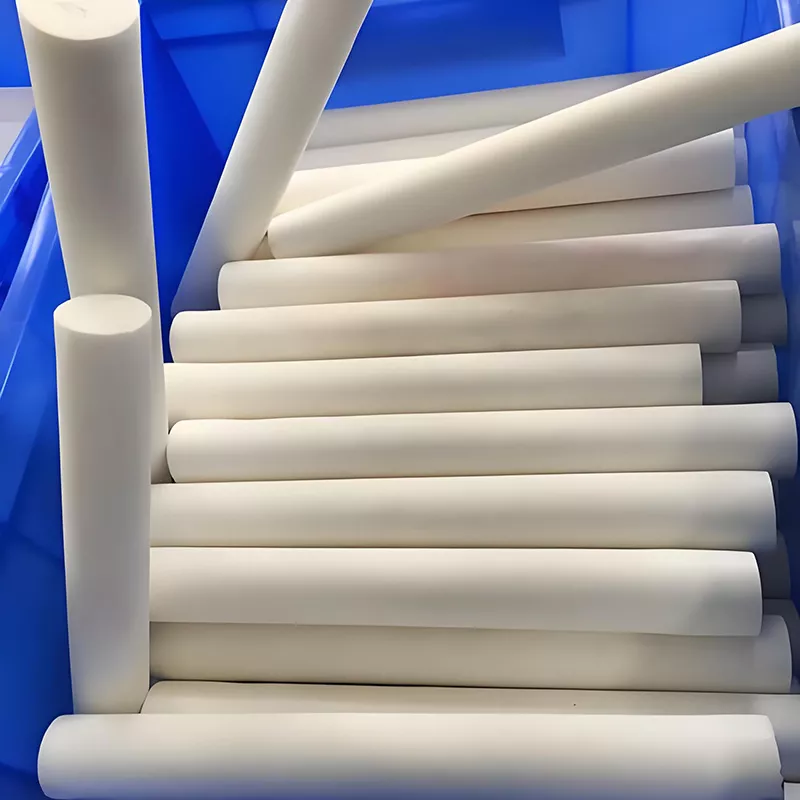
Advanced Ceramic Materials
Compare advanced ceramic materials including alumina, zirconia, silicon carbide, silicon nitride, aluminum nitride, boron nitride and specialty families. Material selection should be narrowed by grade, geometry, service conditions and acceptance criteria rather than material name alone.
Discuss Your Ceramic Part
Technical Ceramic Products
Explore technical ceramic products such as tubes, rods, rings, substrates and other component forms. Product listings provide a starting point for replacement-part or custom inquiries; final suitability depends on confirmed dimensions, mating surfaces, material grade and project requirements.
Discuss Your Ceramic Part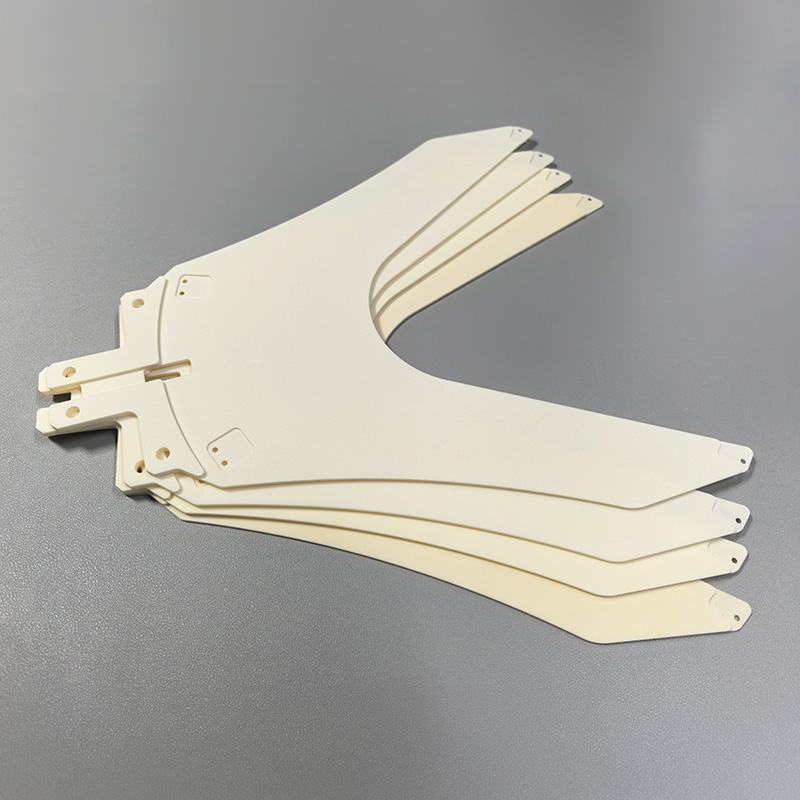
Technical Ceramic Resources
Use this technical ceramics guide to structure a clearer sourcing discussion. Share the current drawing revision, quantity, service conditions, critical interfaces and documentation needs by email or WhatsApp so open questions can be identified before quotation and approval.
Discuss Your Ceramic PartTechnical Ceramic Buyer Resources: A Practical Sourcing Guide
Use this decision framework to match ceramic materials, geometry, tolerances, and service conditions to your application, evaluate supplier capabilities and documentation, and avoid costly specification, inspection, and inquiry-preparation mistakes.
1. What Are Technical Ceramic Buyer Resources?
1 decision path defines useful technical ceramic buyer resources: start with the application, then translate heat, load, electrical exposure, chemical media, wear and assembly demands into a part requirement. The resource set should connect material family, geometry, mating surfaces, service conditions and expected performance rather than treat a material name as a complete specification. 6 inputs give a quotation request a workable foundation: current drawing revision, known material designation, quantity, operating environment, critical dimensions and acceptance criteria. Add tolerances, surface requirements, inspection method, traceability or other documentation needs, and identify which features control assembly or replacement fit.
2. Evolution of Technical Ceramic Sourcing
Four broad material groups—silicate, oxide, non-oxide, and piezoceramics—show how ceramics moved beyond traditional products into purpose-engineered materials with distinct thermal, electrical, chemical, and mechanical behavior. com/en/high-tech-ceramics
One component now represents a combined material, geometry, and process decision. com/technical-ceramic-guide-lp
Five sourcing records—drawing revision, grade, traceability, test method, and acceptance criteria—give an inquiry engineering value. Digital technical documentation, including datasheets, drawings, inspection reports, and revision-controlled correspondence, helps procurement and engineering teams distinguish a general property from a contractual requirement. These technical ceramic buyer resources support a drawing-led conversation before quotation and production commitment.
3. Types Covered by Technical Ceramic Buyer Resources
Eight resource types help buyers move from feasibility to production approval.
Material And Application Guidance
A material datasheet answers which properties may fit the service environment; an application or design guide connects those properties to loads, temperature, chemistry, insulation, or wear. Use both before naming a grade in an inquiry.
Geometry And Capability
A controlled drawing answers what must fit, while geometry and tolerance references clarify datums, mating surfaces, dimensions, and inspection expectations.
Inspection And Certificates
An inspection report answers whether supplied parts conform to the agreed drawing and acceptance criteria. Request the measured characteristics that determine assembly or performance. Certificates answer which material, quality, or compliance records accompany the order.
Case Studies And Quotation Checklists
A case study can reveal how engineers framed an application, but it does not transfer another company’s grade, tolerance, certification, or performance claim to your project.
4. Materials in Technical Ceramic Buyer Resources
Material selection in technical ceramic buyer resources should begin with the part’s duty, not a familiar material name.
| Material | Key properties | Typical applications | Limitations | Verify with supplier |
|---|---|---|---|---|
| Alumina | Insulating; wear-resistant | Insulators; tubes | Brittle; lower toughness | Purity; dielectric data |
| Zirconia | Tough; wear-resistant | Seals; wear parts | Thermal aging risk | Grade; phase stability |
| Silicon carbide | Hard; heat-resistant | Furnace parts; seals | Brittle; difficult machining | Porosity; temperature data |
| Silicon nitride | Strong; thermal shock | Bearings; machinery | Grade-dependent chemistry | Strength; thermal cycling |
| Aluminum nitride | Thermally conductive; insulating | Heat spreaders; substrates | Moisture sensitivity | Thermal conductivity; purity |
| Boron nitride | Insulating; machinable; lubricious | Fixtures; hot-zone parts | Lower wear resistance | Form; density; atmosphere |
| Other ceramics | Specialized properties | Piezoceramics; carbides | Application-specific tradeoffs | Composition; processing; tests |
Compare By Duty
Alumina favors insulation and chemical stability; zirconia favors toughness. Silicon carbide and silicon nitride suit heat, wear, and mechanical loading.
Read Grade Data
Grade, density, porosity, purity, additives, and processing route can change performance materially. Treat published properties as screening data until the supplier confirms the specific grade.
Confirm Machinability
Machinability depends on the material state, geometry, tolerances, and required finish. Ask whether features are green-machined, sintered, or diamond-finished.
5. Geometry and Finishing Options for Ceramic Components
A ceramic component’s geometry determines forming route, machining effort, and inspection risk.
Geometry And Feature Choices
Net-shape forming can reduce machining, while precision machining supports revisions and tighter interfaces. Thin walls, holes, grooves, threads, and small radii should be reviewed for strength, tooling access, and edge integrity.
Surface And Post-Processing
Surface finish affects sealing, friction, wear, and electrical interfaces; specify Ra or another agreed measurement method. Lapping and polishing may improve flatness or roughness, while metallization and coatings add bonding, protection, or conductivity requirements. Identification marking must remain legible without damaging functional surfaces.
What To Include With An Inquiry
The current drawing revision, material designation, quantity, tolerances, and acceptance criteria give a quotation a usable baseline. Mark datum references, inspection points, threads, radii, holes, grooves, and every surface that fits another part. Operating loads and finish requirements belong beside the geometry, not in a later assumption.
6. Key Construction and Quality Elements
Acceptance criteria should follow the component’s actual failure risks, not a generic ceramic checklist.
Define Critical Characteristics
Dimensional tolerances, flatness, surface roughness, edge condition, and defect limits should identify the surfaces that determine assembly or sealing. Density, porosity, strength, thermal properties, and dielectric performance require grade-specific values and test conditions. A drawing should distinguish critical-to-function features from reference dimensions.
Build The Inspection Plan
Sampling should match risk: inspect every part for critical dimensions when failure could stop equipment, while lot sampling may suit noncritical characteristics. Specify test methods, measurement equipment, calibration status, and acceptance limits before production.
Control Release And Packaging
Packaging must protect edges, mating surfaces, cleanliness, and identification through transport and storage. State whether individual wrapping, separators, moisture control, particle limits, or clean handling is required. Release documentation should match the project: drawing revision, inspection report, material certificate, test results, quantity, lot number, and approved deviations.
7. How to Choose a Technical Ceramic Manufacturer
Three evidence sets should anchor supplier qualification: documented processes, representative inspection records, and clear commercial commitments.
Verify Technical Capability
Four areas deserve evidence: material expertise, forming, machining, and prototype support. Ask which grades and geometries are routinely produced, then request anonymized inspection samples or process records.
- Which processes suit this geometry and annual volume?
- What prototype route and approval sample are available?
- Which tolerances are routinely achieved after firing and machining?
Audit Quality And Traceability
A supplier should define inspection points, testing responsibilities, nonconformance handling, and lot traceability from raw material through shipment. Request sample certificates, inspection reports, and revision-controlled quality documents.
- Which tests are in-house, outsourced, or customer-specified?
- How are calibration, deviations, and corrective actions documented?
- Can each shipment be traced to material and process records?
Test Capacity And Continuity
Two timelines matter: quoted lead time and sustainable replenishment lead time. Confirm tooling ownership, capacity at the required volume, planned maintenance, alternate equipment, minimum order quantities, and escalation contacts.
- What is the prototype-to-production transition plan?
- What capacity is reserved for repeat orders?
- How are delays, substitutions, and engineering changes communicated?
8. Common Mistakes When Using Buyer Resources
Seven recurring mistakes can turn useful technical ceramic buyer resources into misleading shortcuts.
Material Name Alone
One material name does not define a usable component. Grade, geometry, density, porosity, finish and processing route can change performance and availability.
Missing Service Conditions
Two overlooked variables—thermal cycling and chemical exposure—can invalidate an otherwise plausible selection. Static temperature or generic corrosion resistance may not represent the actual duty cycle.
Unworkable Fits And Tolerances
One unrealistic tolerance can increase cost, scrap risk or assembly failure, especially when ceramic shrinkage and grinding limits are not considered. Show mating parts, datums, clearance requirements and critical surfaces.
Unequal Quotes And Late Documents
Two quotes are not comparable when inspection scope, sampling, certificates, test methods or packaging assumptions differ. Unsupported property data can also create false confidence.
9. Steps to Launch a Technical Ceramic Sourcing Project
Step 1 starts with the part’s operating envelope, not a material name.
Define The Requirement
Step 1: record temperature, pressure, loads, speed, media, voltage, cycle time, atmosphere, and expected service life. Mark sealing, sliding, electrical, and thermal interfaces on the current drawing.
- Current drawing and 3D model, if available
- Material designation or approved alternatives
- Annual volume, lot size, and target timing
- Inspection, documentation, and packaging requirements
Test Feasibility And Quotes
Step 3: ask for feasibility feedback on geometry, forming, sintering, machining, finishing, yield risks, and realistic tolerances. A shortlist should separate essential requirements from preferences and identify open technical questions.
- Engineering confirms function and interfaces
- Procurement compares scope and commercial terms
- Quality approves inspection and records
- End customer confirms application acceptance
Approve And Release
Step 5: approve samples against the signed drawing and agreed acceptance plan. Validate dimensional, visual, material, and application-test data before production release. Step 6: issue the approved revision, purchase order, quality requirements, packaging instructions, and change-notification rules.
- Do not treat illustrations as contractual specifications
- Confirm grade-specific values and tolerances
- Record deviations before production approval
10. Technical Ceramic Pricing and Cost Factors
10 cost variables should be separated when comparing technical ceramic offers: grade and purity, size and geometry, forming route, tooling, machining time, surface finish, inspection, packaging, quantity, yield, and lead time. A lower unit price may reflect different assumptions about material, scrap, tolerances, or documentation. 1 approved drawing revision should anchor every quote.
| Quantity Tier | Indicative Cost Structure | Tooling Treatment | Lead-Time Considerations | Quote Assumptions |
|---|---|---|---|---|
| Prototype / 1–10 | Highest unit cost; machining and inspection dominate | New tooling or fixtures usually charged separately | Material availability and programming can govern timing | Drawing, grade, tolerances, finish, inspection, packaging, freight confirmed |
| Small batch / 11–100 | Setup amortized across parts; yield remains important | Tooling may be amortized or itemized | Forming route and machining capacity affect schedule | Scrap allowance, samples, reports, and commercial terms stated |
| Production / 101–1,000 | Lower unit cost; forming efficiency and yield matter | Dedicated tooling may be justified | Production slot, replenishment plan, and lead time agreed | MOQ, revision control, acceptance criteria, and exclusions confirmed |
| Repeat / 1,000+ | Material purchasing and process stability drive cost | Tooling maintenance and replacement responsibility defined | Forecasts can support capacity planning | Price validity, packaging standard, delivery basis, taxes, and payment terms confirmed |
Technical Ceramic Buyer Resources: Common Questions
Use these answers to prepare a clearer, more useful ceramic component inquiry.
How should I use technical ceramic buyer resources when preparing an RFQ?
Can Porcecore recommend a ceramic grade if I only know the application?
What drawing information makes a technical ceramic quotation more accurate?
How should tolerances and functional surfaces be specified?
Do I need to provide a material grade before requesting a quote?
What quantity and delivery information should a buyer include?
Which inspection evidence and acceptance criteria should be requested?
What are the most useful technical ceramic buyer resources after reading this FAQ?
Turn Technical Ceramic Buyer Resources Into a Clear Inquiry
Email a drawing or describe your part, quantity, service conditions and acceptance criteria for a focused project discussion.