
Prototype Ceramic Components for Clearer Engineering Decisions
Prototype ceramic components begin with a drawing, defined requirements and material discussion for more informed sourcing decisions.
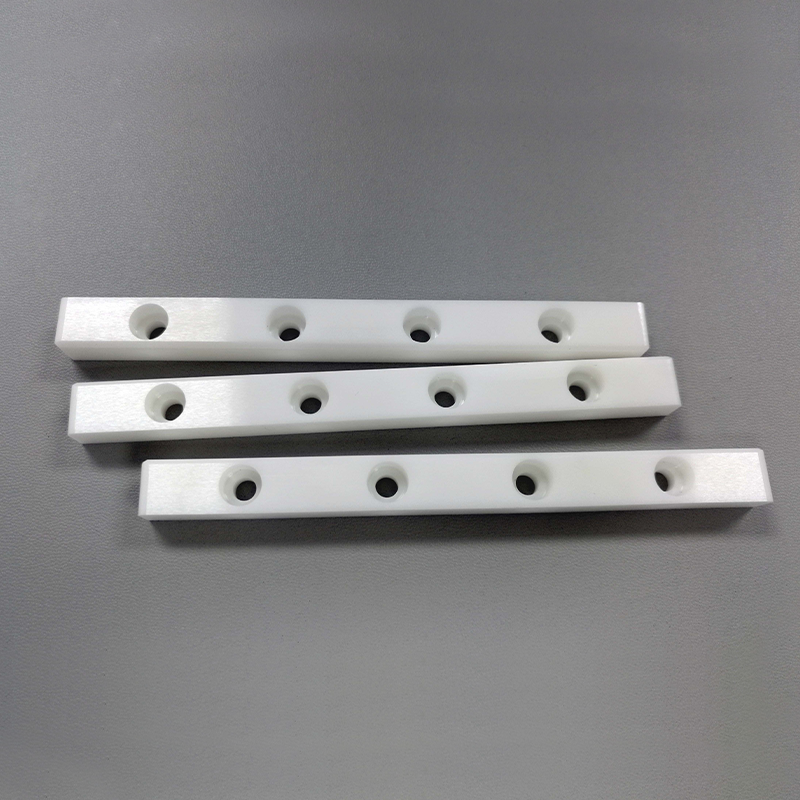
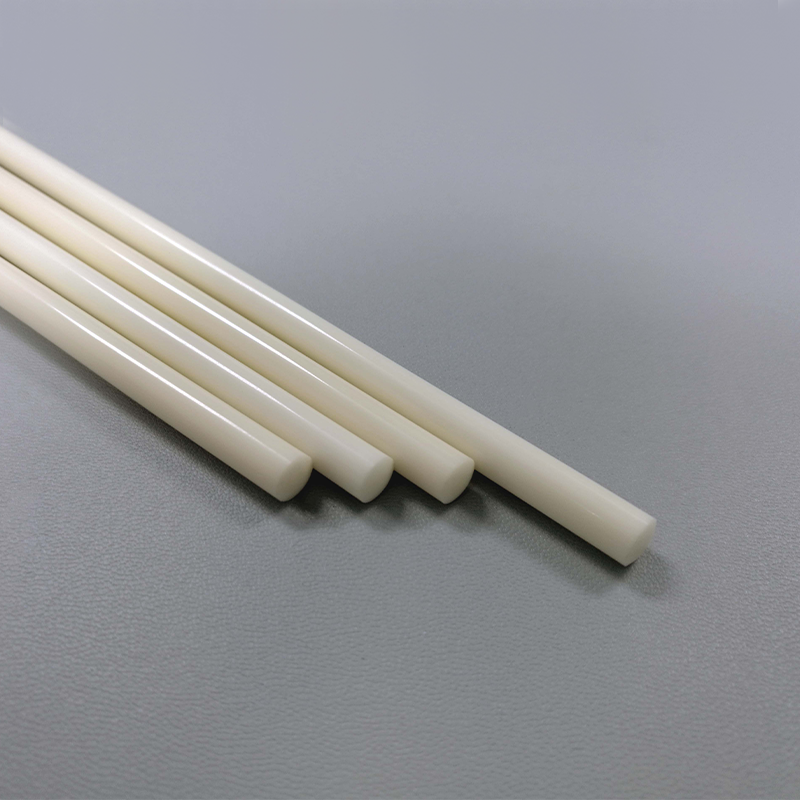
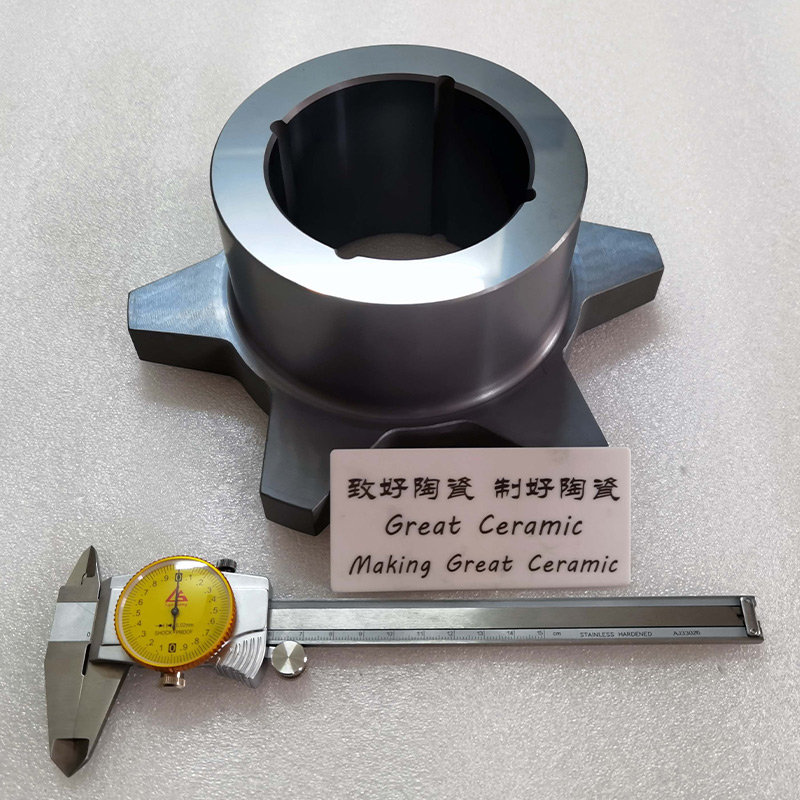
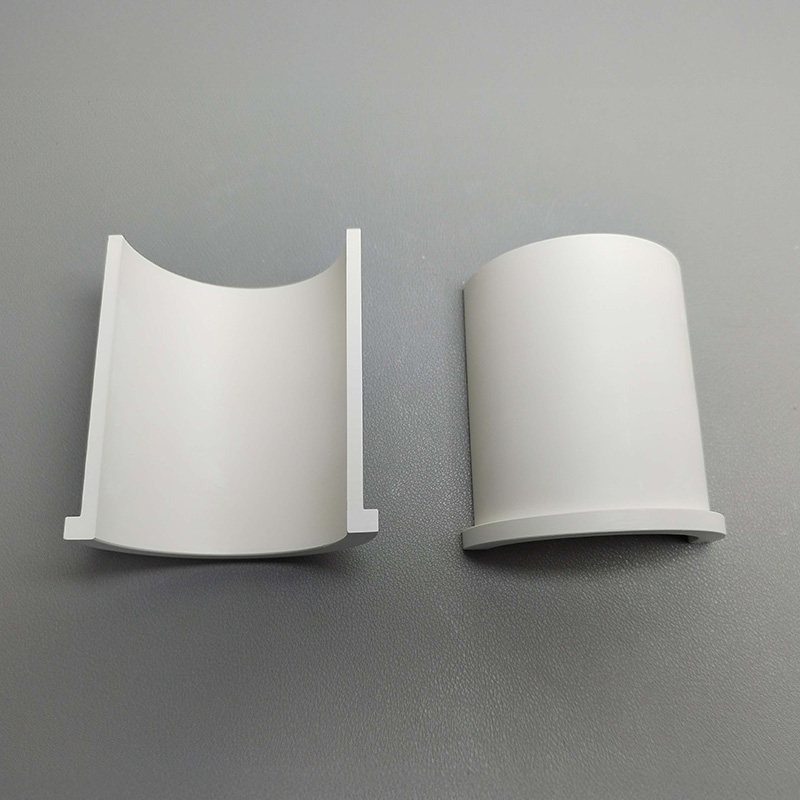
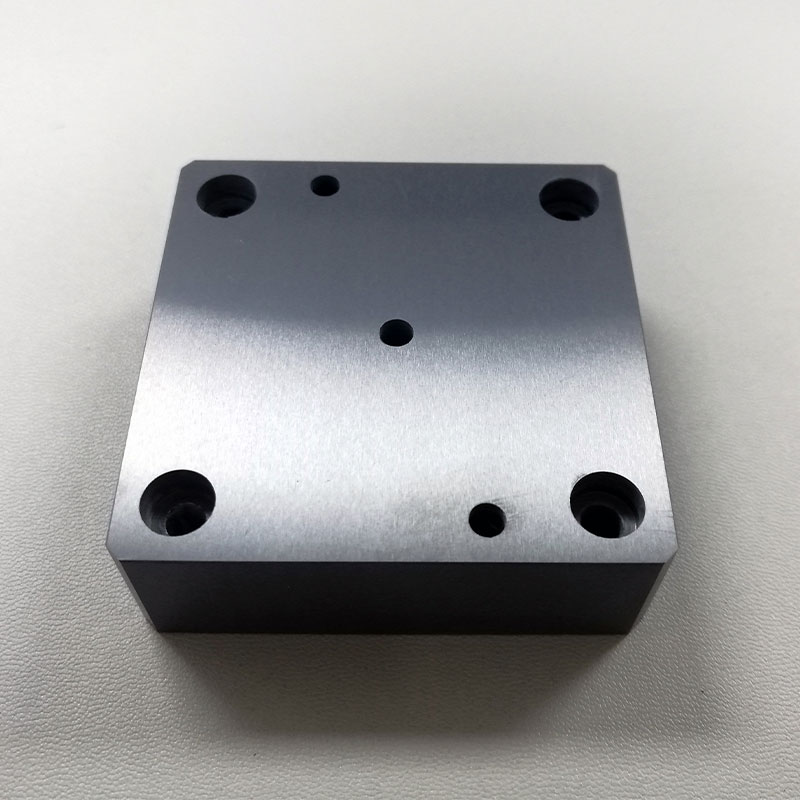
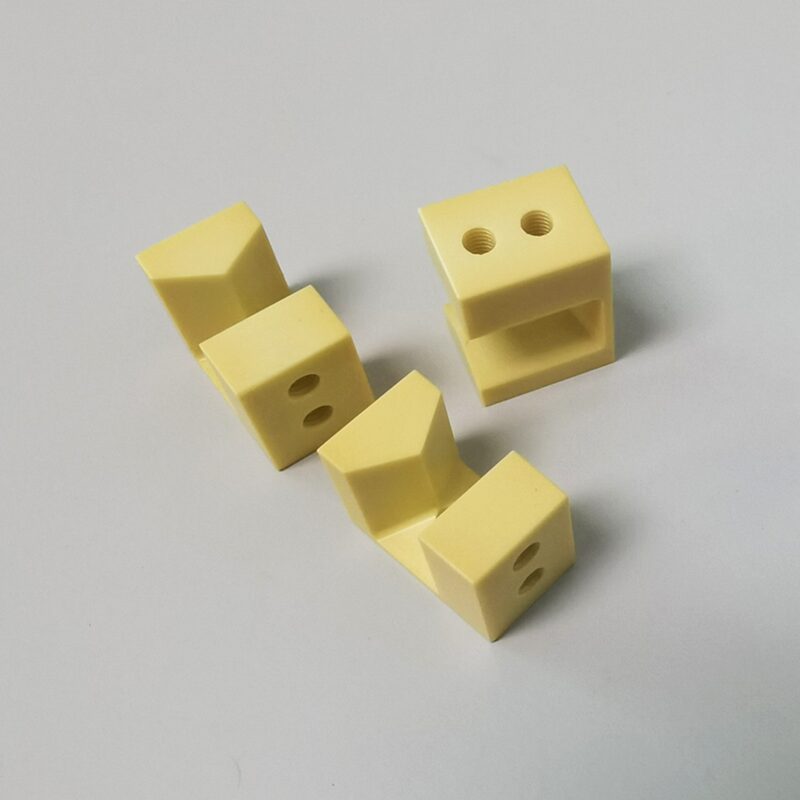
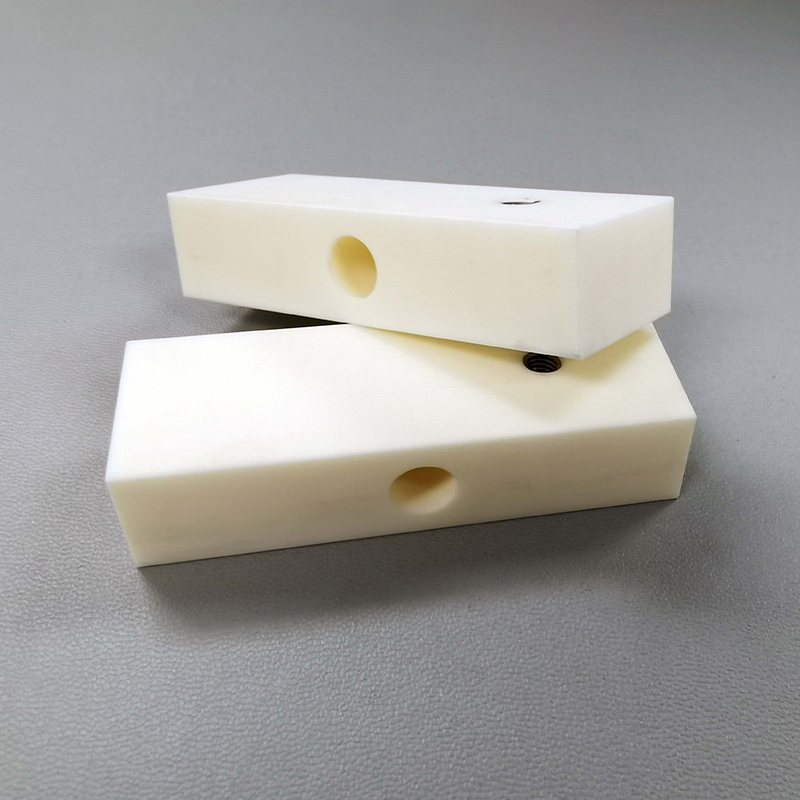
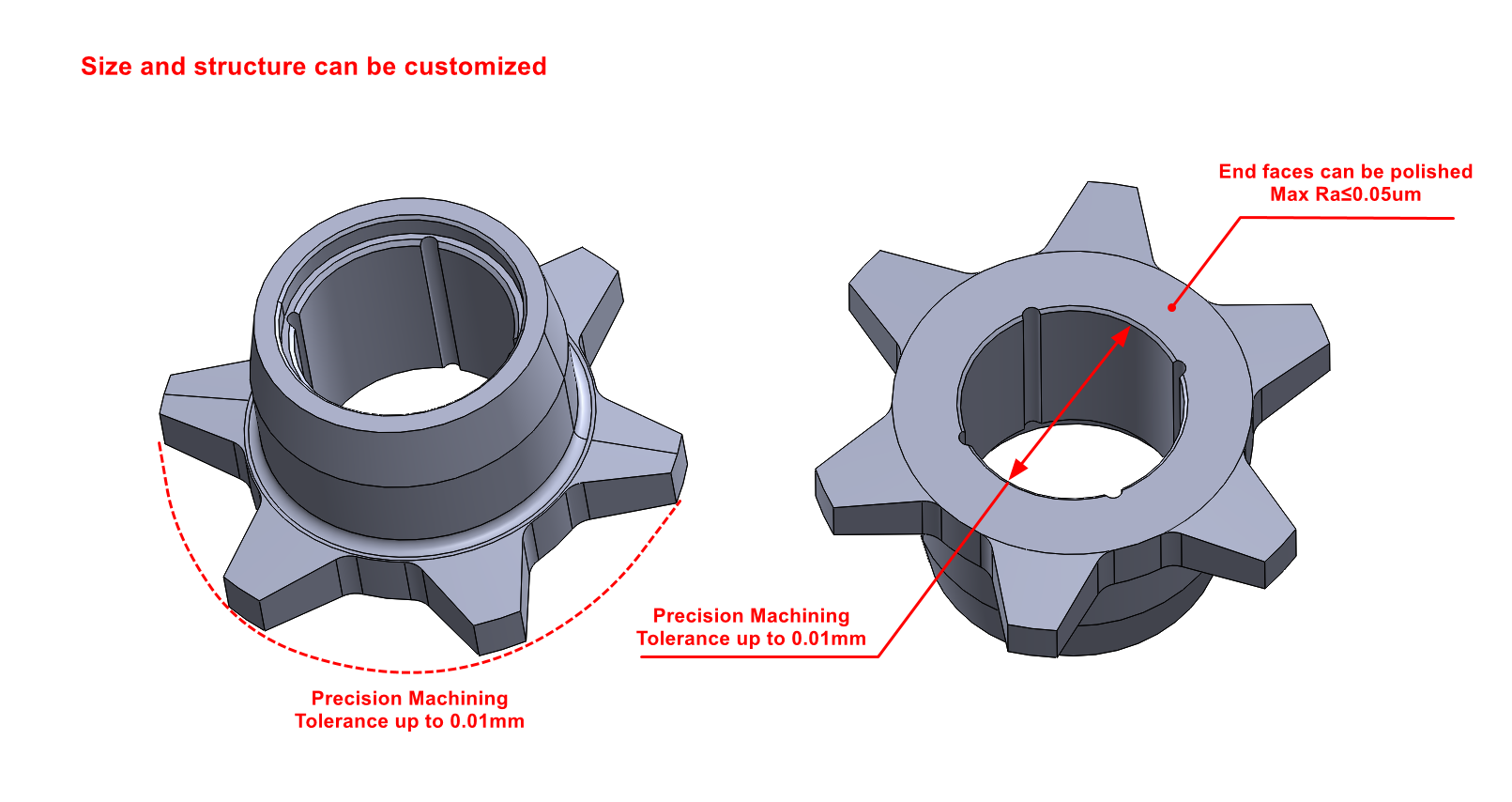
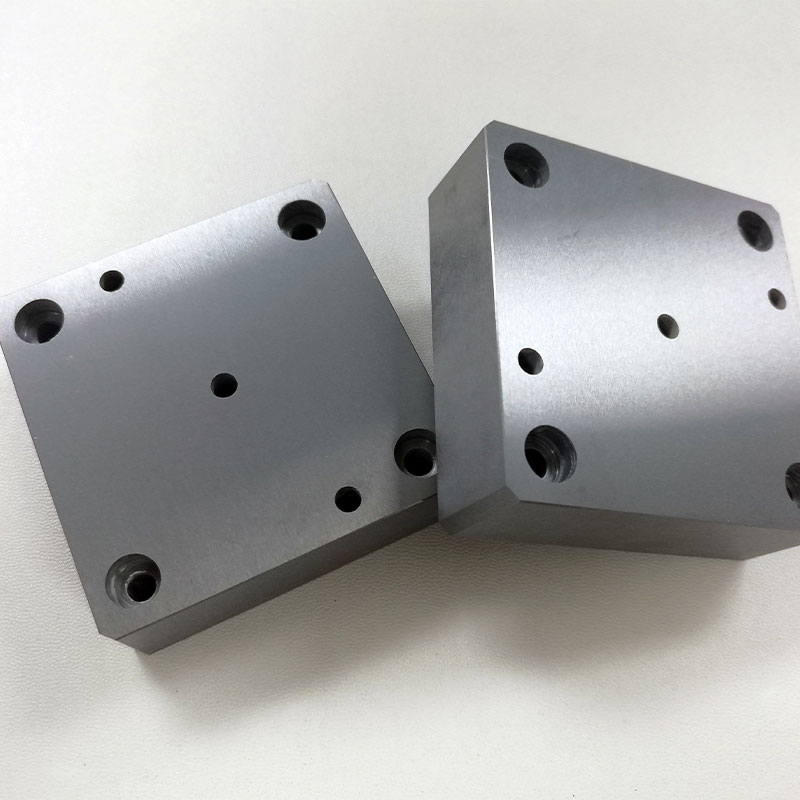
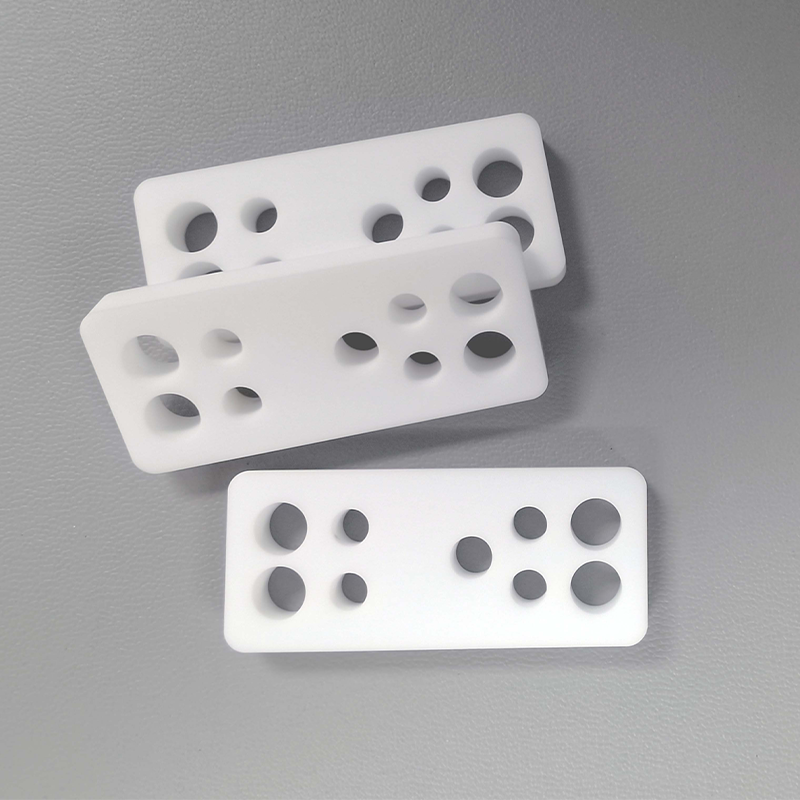
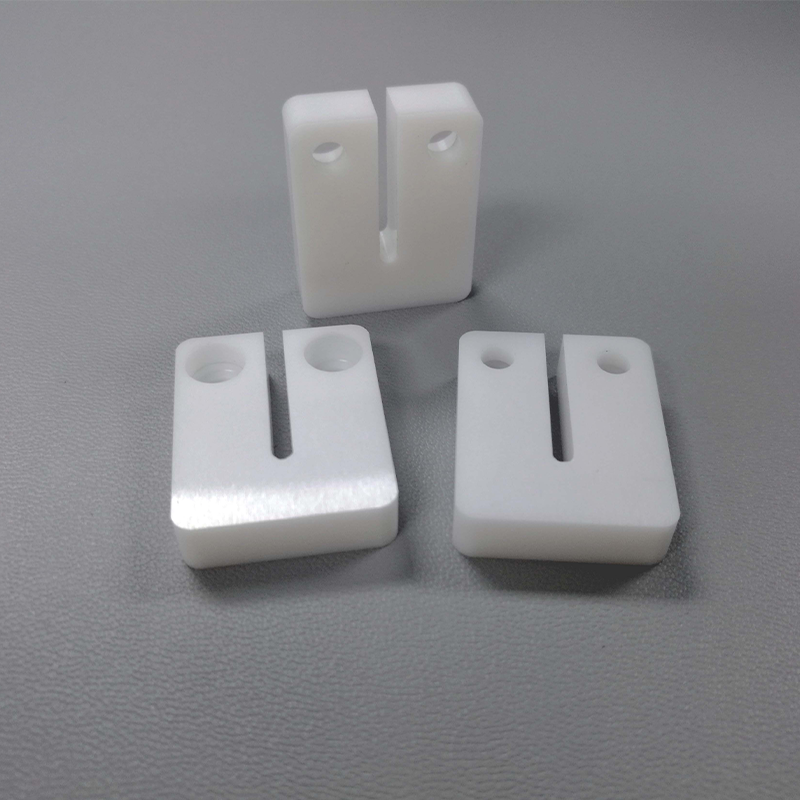
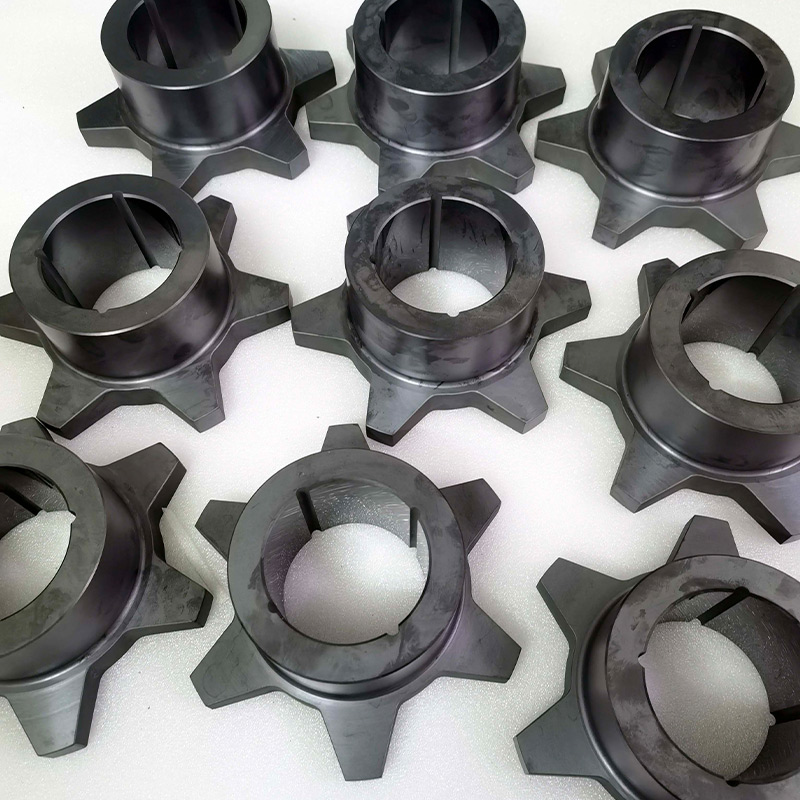
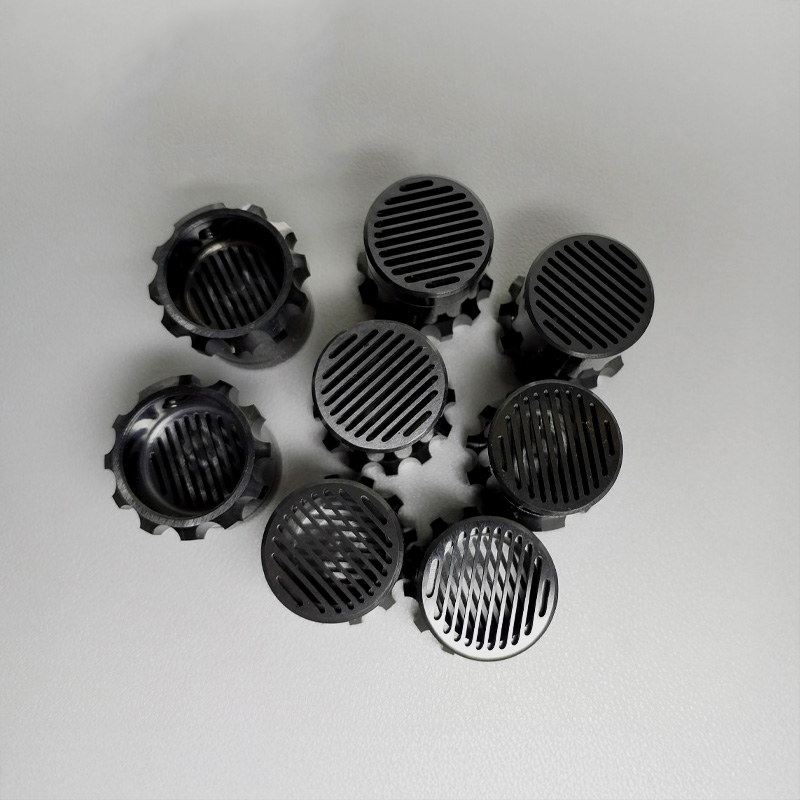
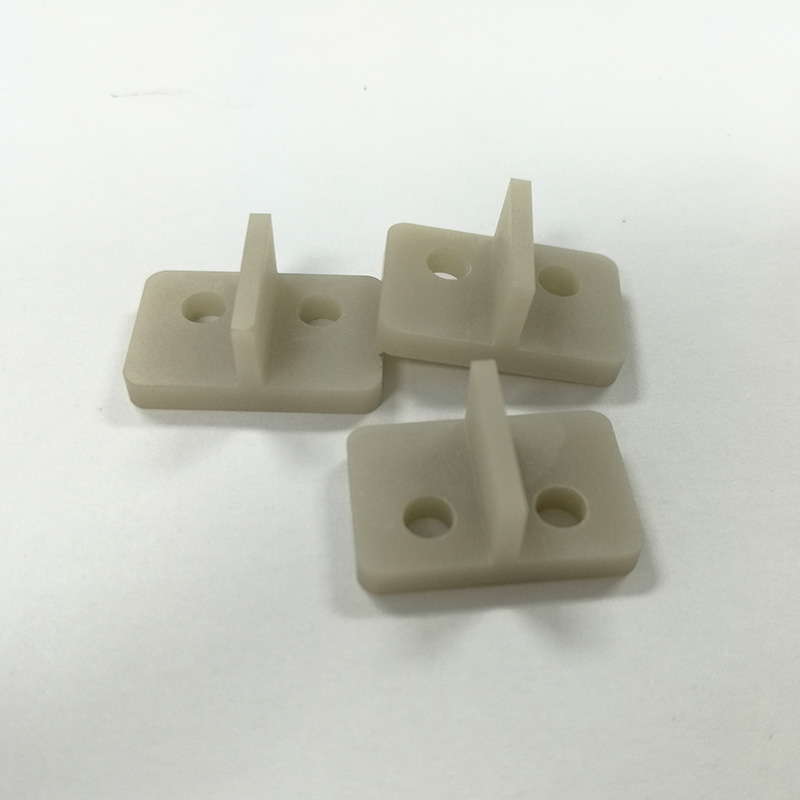
Featured Products for Prototype Ceramic Component Development
What Makes Prototype Ceramic Components Easier to Specify
For prototype ceramic components, clear drawings, material context and acceptance criteria create a more useful sourcing discussion.
Control the Drawing Revision
Share the current drawing revision, key dimensions and intended quantity so quotation discussions begin from the same controlled reference and requirements.
Identify the Material Grade
Identify the ceramic family or grade if known; Porcecore can review oxide, nitride, carbide and specialty options against the part’s stated job.
Review Geometry for Assembly
Review overall form, wall sections, holes, mating features and critical dimensions together, keeping prototype geometry aligned with assembly and functional intent.
Discuss the Process Route
Discuss a suitable process route alongside geometry, quantity and finish expectations, recognizing that manufacturability and available options require project-specific confirmation.
Describe Operating Conditions
Describe temperature, electrical, chemical, mechanical and wear conditions so material and geometry discussions reflect the environment the prototype must serve.
Define Acceptance Evidence
Define inspection evidence, tolerances, surface requirements and acceptance criteria early, separating essential approval needs from preferences before any quotation becomes a commitment.
Related Ceramic Materials, Forms and Capabilities
Move from a general category to the material family, component form, application context or replacement-part requirement that best fits your project.

Ceramic Manufacturing Capabilities
Review ceramic manufacturing capabilities across forming, machining, finishing and inspection considerations. Use this starting point to frame a drawing-led inquiry around geometry, tolerances, mating surfaces, quantity, service conditions and project-specific acceptance requirements.
Discuss Your Ceramic Part
Ceramic Solutions by Industry
Explore advanced ceramics applications by industry and operating environment. Compare how component requirements change across equipment, electrical, thermal, chemical and mechanical uses, then identify the relevant application or replacement-part page for a more focused inquiry.
Discuss Your Ceramic Part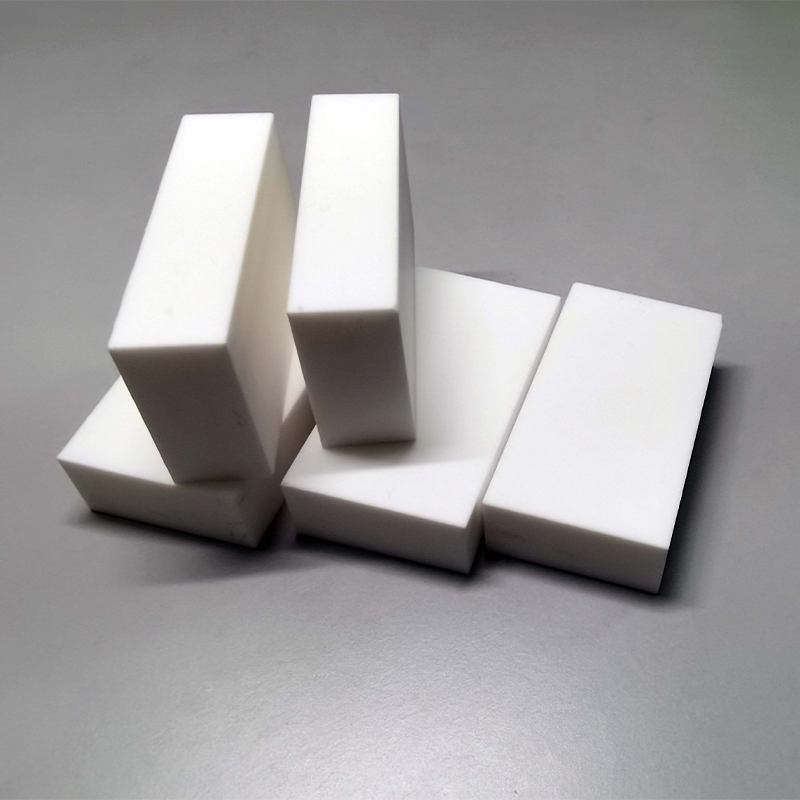
Advanced Ceramic Materials
Compare advanced ceramic materials including alumina ceramics, zirconia ceramics, silicon carbide ceramics, silicon nitride, aluminum nitride, boron nitride and specialty ceramics. Material selection should be confirmed against grade, geometry, operating conditions, interfaces and required documentation for each project.
Discuss Your Ceramic Part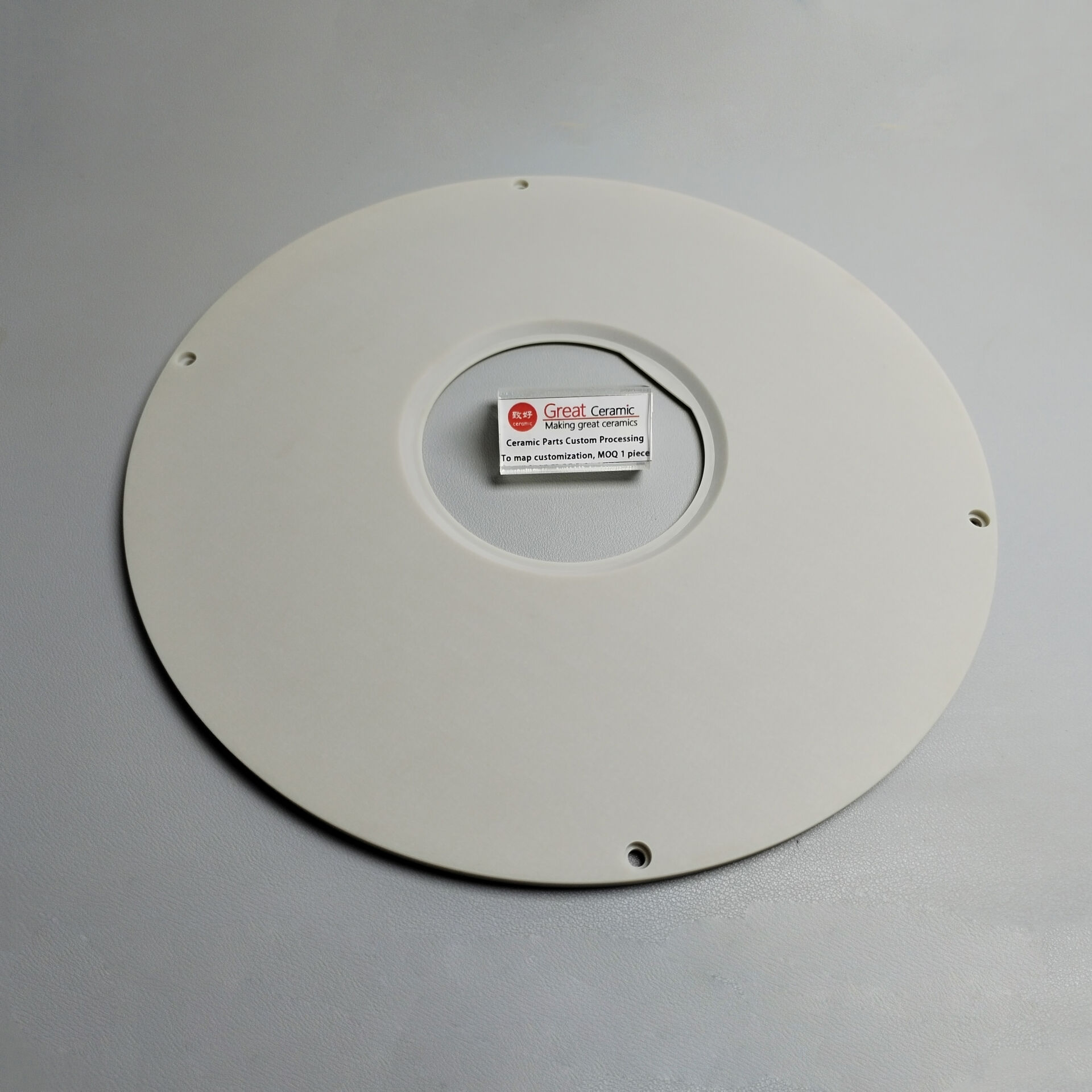
Technical Ceramic Products
Browse technical ceramic products by familiar component forms such as tubes, rods, rings and substrates. Product pages help connect a general form with dimensions, interfaces and intended use before a quotation is based on the current drawing revision.
Discuss Your Ceramic Part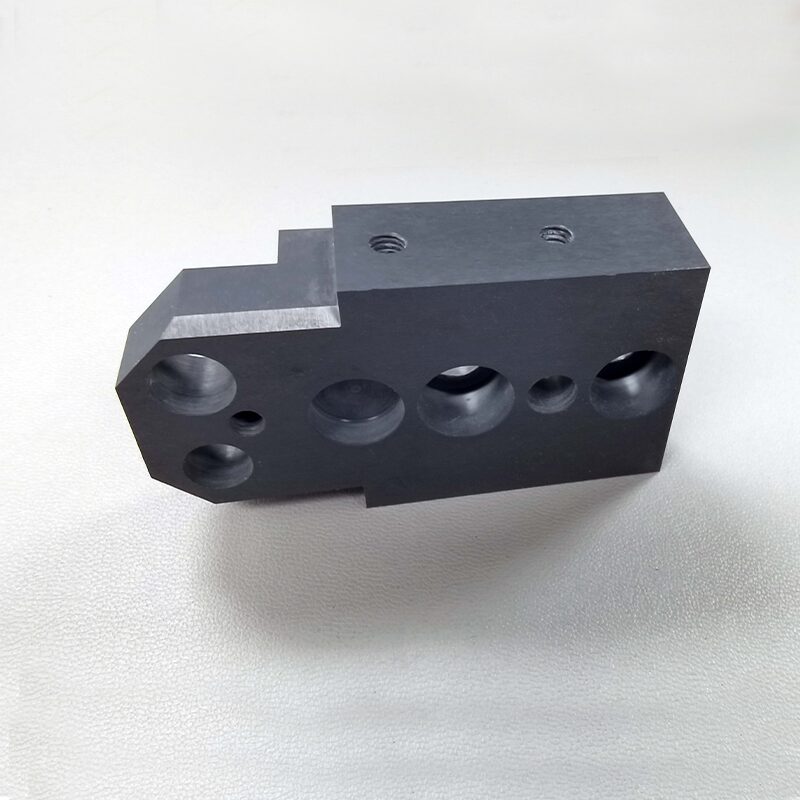
Technical Ceramic Resources
Use the technical ceramics guide to clarify material terminology, component requirements and quotation inputs. Prepare the drawing, known material designation, quantity, service conditions and acceptance criteria so open questions can be addressed before commercial terms are confirmed.
Discuss Your Ceramic PartA Drawing-Led Approach to Prototype Ceramic Components
Founded by Andy Yuan, Porcecore helps industrial procurement teams, engineers, equipment builders and distributors connect ceramic material choices with clearly defined part requirements. Our focus includes technical ceramic components, industrial ceramic parts and custom ceramic components across oxide, nitride, carbide and specialty families, considered according to the geometry, operating conditions and job each component must perform.
Porcecore’s approach begins with the part and its requirements, not a material name alone. For prototype ceramic components, buyers can share a current drawing, known material designation, quantity, service conditions and acceptance criteria. This application-first, drawing-led approach helps identify open questions before quotation and supports better-informed sourcing decisions.

Prototype Ceramic Components: Key Engineering Attributes
Define Material and Grade
A material family is only the starting point. Identify the known designation, grade preference and performance priorities so Porcecore can discuss suitable oxide, nitride, carbide or specialty ceramic options against the actual prototype requirement.
- State the material designation if known
- Separate required properties from preferred properties
- Confirm whether an equivalent grade may be considered
- Treat general data as non-contractual until confirmed

Capture Geometry and Interfaces
Prototype ceramic components should be reviewed as parts that assemble, seal, locate or support another component. The drawing should show critical dimensions, mating surfaces and features that influence manufacture, fit or functional performance.
- Send the current drawing revision or CAD file
- Identify surfaces that fit another part
- Mark assembly-critical dimensions and features
- Note holes, slots, threads, radii and thin sections

Describe Service Conditions
Operating conditions help connect the component form with a practical material discussion. Include the environment and loads the part will face, especially where temperature, electrical behavior, wear, corrosion or chemical exposure may affect the requirement.
- State operating temperature and thermal cycling
- Describe mechanical, electrical or vacuum conditions
- Identify contact media, chemicals and wear exposure
- Explain the component’s role in the equipment

Set Inspection and Documentation
A useful prototype quotation also defines how the part will be accepted. Share tolerances, inspection expectations, quantity and required records so open questions are visible before commercial terms, delivery and production details are confirmed.
- List dimensional tolerances and critical characteristics
- Define inspection reports or records needed for approval
- Confirm quantity, delivery target and packaging needs
- Include acceptance criteria and required documentation

Prototype Ceramic Components: Key Engineering Requirements
Compare prototype ceramic components with production-focused routes by design preparation, material fit, documentation, quantity and project requirements.
← Swipe left or right to view →
Prototype Ceramic Component Inquiry Process
A clear, project-specific path from initial requirements to prototype delivery, with material, geometry, acceptance and commercial decisions identified at each stage.
Share Part Requirements
Send the current drawing revision, known material designation, quantity, service conditions and acceptance criteria so Porcecore can frame the prototype ceramic components inquiry.
Review Material Geometry
Discuss ceramic family, grade, geometry, mating surfaces, critical dimensions and operating conditions, separating essential requirements from preferences before quotation.
Clarify Quotation Scope
Confirm open technical and commercial points, including tolerances, inspection documentation, quantity, delivery expectations and terms for the proposed prototype ceramic components.
Approve Prototype Basis
Review the agreed drawing, material details and acceptance criteria before prototype work begins, ensuring the quotation reflects the intended part and approval path.
Deliver And Evaluate
Coordinate prototype delivery and gather evaluation feedback against the confirmed requirements, creating a practical basis for revision, replacement-part discussion or next-stage sourcing.
How to Start a Prototype Ceramic Components Inquiry
Submit the information that defines the part, then clarify open questions with Porcecore before making the next sourcing decision.
Gather Part Requirements
Gather your current drawing revision, known material designation, quantity, service conditions, mating surfaces and acceptance criteria before requesting a prototype ceramic components quotation.
Describe Operating Conditions
Describe the part’s operating environment, critical dimensions and assembly interfaces so Porcecore can separate essential project requirements from preferences during review.
Send Your Inquiry
Send the inquiry by email to info@zlrsmaterials.com, or use WhatsApp at +86 130 6482 5920 to begin a drawing-led discussion.
Confirm Project Terms
Confirm grade, geometry, documentation, delivery and commercial terms for the individual project before treating any quotation discussion as an agreed production order.
Prototype Ceramic Components: Verified Buyer Outcomes
Verified customer quote pending approval. Add a substantiated outcome related to drawing alignment, requirement clarity, prototype approval or delivery before publication.
Verified customer quote pending approval. Document the specific prototype result, agreed requirements and measurable project outcome before publication.
Verified customer quote pending approval. Confirm the customer’s identity, permission to publish and evidence for any stated timing, quality or delivery result.
Prototype Ceramic Components: Buyer Evidence Pending Verification
Clear answers for material selection, drawings, prototype feasibility, inspection expectations and project-specific quotation requirements.
What information should I provide when requesting prototype ceramic components?
Which ceramic material families and component forms can Porcecore discuss?
How are prototype ceramic components evaluated for dimensional tolerances?
Which functional surfaces should be identified on a ceramic prototype drawing?
Can Porcecore review small quantities or prototype ceramic components before production?
What application conditions affect prototype ceramic component selection?
What inspection and documentation can be included with a prototype ceramic inquiry?
How should packaging and quotation timing be handled for prototype ceramic components?
The Complete Buyer’s Guide to prototype ceramic components
Use this decision framework to define prototype requirements, compare materials and manufacturing routes, evaluate suppliers, control drawing-led costs, and avoid common design, quality, sourcing, and launch mistakes.
1. What Are Prototype Ceramic Components?
One drawing turns a ceramic concept into a prototype: an early-stage technical part made to validate geometry, fit, function, thermal behavior, electrical performance, or manufacturability before production. The prototype may be machined, molded, printed, or otherwise processed, but its purpose is learning against a defined requirement.
Two distinctions matter in procurement. A catalog part is selected from an existing size and specification, while a drawing-led prototype is quoted against geometry, mating surfaces, tolerances, service conditions, and inspection expectations; production tooling, by contrast, is equipment used to make repeatable quantities rather than the part being evaluated.
Four buyer groups gain value when uncertainty is costly: engineers testing a design, equipment builders checking assembly, procurement teams qualifying supply, and distributors assessing a replacement or new application. Prototype ceramic components are most useful before committing to production tooling, volume purchasing, or an unverified material grade.
2. Evolution of Prototype Ceramic Components
Early ceramic prototypes were commonly cut from manually machined blanks or produced through tooling-intensive forming, making first samples slow and expensive. Tooling also constrained design changes and made very small quantities difficult to justify (https://www.therobotreport.com/ceramic-at-its-best).
CNC machining of pre-fired or machinable blanks changed the prototype route by using CAD data, stocked material and direct dimensional edits, improving design freedom and reducing tooling dependence. Moldless fabrication later extended that principle: SRI describes digitally layered ceramic shaping that shortened iterative development cycles (https://www.sri.com/hoi/rapid-prototyping-method-for-ceramics).
3D ceramic printing further reduced the penalty for complex geometries and low-volume trials, while enabling repeated development loops before production tooling. For buyers, the route now depends on the validation target: machined prototypes can support fit and interface checks, whereas additive methods may accelerate geometry exploration before a repeatable production process is confirmed (https://www.therobotreport.com/ceramic-at-its-best).
3. Types of Prototype Ceramic Components
Five recurring categories—insulators, tubes and spacers, rings and plates, wear parts, and sensor or custom geometries—cover many prototype ceramic components. Classify each by load, interfaces, inspection risk, and the route question that follows.
Electrical Insulators
Kilovolt service prioritizes creepage, clearance, dielectric integrity, and chip-free edges.
Ask whether a turned blank, pressed shape, or machined stock best matches the geometry and quantity.
Tubes And Spacers
Concentricity, wall thickness, bore finish, and end squareness govern fit and sealing.
Ask whether length, bore tolerance, or thermal cycling is the controlling requirement.
Rings And Plates
Flatness, parallelism, holes, and mating surfaces usually dominate inspection for rings and plates.
Ask whether standard stock can be machined, or whether pressing and sintering justify dedicated tooling.
Wear Parts
Abrasive contact demands stable thickness, edge durability, surface finish, and repeatable hardness by grade.
Ask whether the prototype must simulate production wear, or only validate assembly and clearance.
Sensor And Custom Geometries
Sub-millimeter features, channels, and thin walls increase distortion and inspection complexity.
Ask whether additive shaping, green machining, or conventional CNC can reliably reproduce the approved CAD model.
4. Materials for Prototype Ceramic Components
Material selection for prototype ceramic components should follow the operating environment, mating interfaces and inspection needs—not appearance alone. Compare electrical, thermal, mechanical and manufacturing trade-offs before fixing the drawing.
Oxide Ceramics
Alumina provides strong insulation, wear resistance and relatively economical sourcing. Zirconia offers higher toughness, but usually costs more and demands tighter process control.
Cordierite is attractive for machinable prototypes and low thermal expansion, especially where rapid design iteration matters.
Thermal Management Ceramics
Silicon carbide combines high thermal conductivity, wear resistance and thermal-shock capability, while aluminum nitride adds electrical insulation with efficient heat transfer. Both can carry higher cost and machining complexity.
Electrical and thermal requirements should be checked against the selected grade, not a family label.
Comparison For Inquiry
Use the service temperature, voltage, load, abrasion, shock cycle and required quantity to narrow the shortlist. Published family-level properties are directional; confirm grade-specific values with Porcecore.
| Material | Electrical | Thermal / Mechanical | Prototype Cost |
|---|---|---|---|
| Alumina | Insulating | Moderate conductivity; wear resistant | Low–moderate |
| Zirconia | Insulating | Tougher; lower conductivity | Moderate–high |
| Cordierite | Insulating | Low expansion; machinable | Moderate |
| Silicon carbide | Insulating | High conductivity; wear and shock resistant | Moderate–high |
| Aluminum nitride | Insulating | High conductivity; brittle | High |
| Silicon nitride | Insulating | Tough; wear and shock resistant | High |
Evidence For Selection
NASA identifies alumina, zirconia, silicon carbide, aluminum nitride and silicon nitride among engineered ceramics used in rapid prototyping: https://ntrs.nasa.gov/api/citations/20020063420/downloads/20020063420.pdf
5. Customization and Decoration Options
One approved drawing revision should define geometry, mating surfaces, tolerances, and inspection expectations before decoration is discussed. CAD files can accelerate review, but prototype ceramic components still require process-specific feasibility checks.
| Request | Main Feasibility Concern | Buyer Should Provide |
|---|---|---|
| Holes, slots, threads, grooves | Strength and inspection access | Critical dimensions and mating details |
| Metallization or coatings | Process compatibility and lead time | Electrical or environmental duty |
| Markings or color | Readability, adhesion, and appearance variation | Location, reference, and durability need |
Define Functional Geometry
A current drawing and native CAD file should identify holes, slots, threads, grooves, critical dimensions, datum references, and surface finishes. Tolerances must distinguish assembly-critical features from informational dimensions.
Each feature can affect machining access, shrinkage allowance, strength, or inspection method; prototype feasibility should be reviewed before quotation.
Separate Identification From Performance
Two customization categories matter: metallization and protective coatings may change electrical, thermal, or mating behavior, while markings and color usually support identification or appearance.
Specify marking location, readability, color reference, and durability requirement early. A decorative request is not automatically compatible with the ceramic grade or finishing route.
Review High-Risk Requests Early
Three inputs deserve early engineering review: tight tolerances, complex thin features, and post-fired finishes. They may influence shrinkage, fracture risk, inspection equipment, and lead time.
Provide the application temperature, loading, mating parts, acceptance criteria, and required documentation with the drawing so Porcecore can separate essential requirements from preferences.
6. Construction Quality Elements to Specify
Two controls dominate ceramic quality: a drawing that defines functional geometry, and acceptance criteria that distinguish required conditions from preferences. Brittleness and post-processing make unspecified edges, surfaces, and inspection methods potential sources of dispute.
Geometry And Datums
Four items deserve explicit callouts: dimensional tolerances, datum strategy, wall thickness, and edge condition. Add flatness and concentricity where assembly, sealing, or rotation depends on them.
Post-processing can alter critical surfaces, so identify machining allowances, reference faces, and measurement points on the current drawing revision.
Material And Surface Acceptance
Two material records may be needed: the agreed grade designation and a certificate confirming the supplied material. Define density, surface roughness, visual acceptance, and rejectable defects rather than relying on photographs.
State whether chips, cracks, pores, discoloration, or grinding marks are acceptable, and specify the inspection method for each requirement.
Inspection And Traceability
Three deliverables should be agreed before quotation: an inspection report, packaging requirements, and lot or serial traceability. Link results to the drawing revision and identify which dimensions require full inspection or sampling.
Packaging should protect brittle edges and mating surfaces during transit. Confirm documentation, labeling, and retention expectations with the quotation.
7. How to Choose a Prototype Ceramic Components Manufacturer
Three checks separate a workable supplier from a risky quote: can it interpret the drawing, select a suitable ceramic route, and prove inspection, approval, delivery, and confidentiality controls?
Technical Review
Four questions matter: Which grade and process fit the service? How are shrinkage, mating surfaces, tolerances, and critical dimensions reviewed?
One review should identify equipment, inspection methods, sample approval criteria, and quality records supporting the drawing.
Quote And Scale
Seven quote factors deserve comparison: prototype price, production route, inspection scope, scale-up capacity, lead time, packaging, and export logistics.
The lowest unit price is incomplete when tooling, rejection, delay, or qualification risk remains with your team.
Communication And Confidentiality
One written channel should record revisions, open questions, acceptance criteria, and approvals; confirm confidentiality before sharing proprietary geometry.
Score technical fit, material expertise, evidence, responsiveness, and total landed risk—not unit price alone. Send Porcecore the drawing and service conditions.
8. Common Mistakes Buyers Make
Six avoidable errors can turn prototype ceramic components into schedule and quality problems. Treat material, geometry, service conditions, quotation basis, and validation as one drawing-led decision.
Material And Service Misalignment
1 material family chosen by name alone can fail thermal, electrical, wear, or chemical requirements; confirm grade and application conditions before release. Copying metal tolerances onto ceramic geometry may create unmanufacturable features, scrap, or redesign.
2 missing operating conditions—temperature, load, cycling, atmosphere, voltage, and mating details—can invalidate an otherwise correct-looking part.
Prototype Definition Gaps
3 requesting production-level surface finishes on an early prototype adds cost before the design is proven. Define only function-critical surfaces first.
4 shrinkage, grinding stock, datum strategy, and machining allowances omitted from review can shift final dimensions and extend rework. An incomplete drawing leaves material, tolerances, inspection, and acceptance criteria open to interpretation.
Quotation And Validation Errors
5 quotes are incomparable when suppliers assume different grades, quantities, tooling, finishing, inspection, or delivery scope; normalize the basis before choosing price.
6 no validation-sample plan leaves fit, thermal cycling, electrical behavior, and fracture risk untested. Set sample quantity, test method, acceptance limits, and approval gates before production commitment.
9. Steps to Launch Prototype Ceramic Components
Four inputs start prototype ceramic components: application requirements, current drawing revision, quantity, and service conditions. Define acceptance criteria before requesting a quotation.
Define Requirements And Feasibility
Four buyer inputs anchor review: operating environment, mating surfaces, critical dimensions, and inspection expectations. The engineering team confirms open questions and proposes suitable ceramic families.
One supplier review then checks geometry, tolerances, shrinkage risk, machining access, and achievable inspection methods. The buyer approves the drawing revision before pricing.
Quote And Produce Prototypes
Three commercial inputs should appear in the inquiry: quantity, documentation needs, and delivery target. The supplier returns scope, assumptions, tooling or process charges, lead time, and quotation terms.
One approved purchase order authorizes prototype production. The supplier manufactures to the released drawing, while the engineering team records process deviations and the buyer confirms any permitted substitutions.
Inspect Test And Release
Two checks separate dimensional approval from functional validation: inspection against critical features and testing under representative service conditions. The buyer reviews reports; engineering evaluates fit, performance, and failure evidence.
One revision cycle may update tolerances, material designation, or documentation. After sample approval, the buyer and supplier freeze the production drawing, inspection plan, quantities, and replenishment schedule.
10. Prototype Ceramic Components Pricing and Cost
1 drawing revision, material designation, quantity, service conditions, and acceptance criteria give Porcecore a basis for quoting. Cost also reflects material, geometry, tolerances, mating surfaces, machining or additive/forming route, finishing, inspection, documentation, packaging, and shipping.
2 commercial choices matter early: tooling may suit repeat volume, while machining or additive routes can suit small lots. Prototype ceramic components pricing is quote-dependent; identify critical dimensions and inspection needs before comparing offers.
| Quantity Tier (Quote-Dependent) | Likely Cost Structure | Tooling or Setup Implication | Indicative Lead-Time Logic |
|---|---|---|---|
| 1–5 units | Highest unit cost; setup spread across few parts | No dedicated tooling or limited setup | Quote-dependent drawing review and route validation |
| 6–50 units | Moderate unit cost; machining or additive may remain practical | Minimal or temporary tooling | Quote-dependent batching and finishing schedule |
| 51–500 units | Lower unit cost if processing is repeatable | Tooling may become economical | Quote-dependent process scheduling and inspection |
| 500+ units | Project-specific volume pricing | Dedicated forming tooling may be considered | Quote-dependent production and documentation planning |
Discuss Your Prototype Ceramic Components Requirement
Email a drawing or describe the component, operating environment, grade and acceptance criteria to begin a focused requirement discussion.